

Key Points
- John Giannandrea steps down as Apple’s AI chief, remaining an adviser through spring.
- Amar Subramanya, with 16 years at Google and recent Microsoft experience, is appointed as the new AI chief.
- Apple Intelligence has faced criticism for underwhelming performance and inaccurate AI‑generated content.
- Siri’s recent overhaul failed to meet expectations, intensifying pressure on AI leadership.
- Apple’s AI strategy focuses on on‑device processing to protect user privacy.
- The leadership change aims to address AI challenges and improve product reliability.
- Subramanya’s background with rival platforms is expected to bring valuable insights to Apple’s AI development.
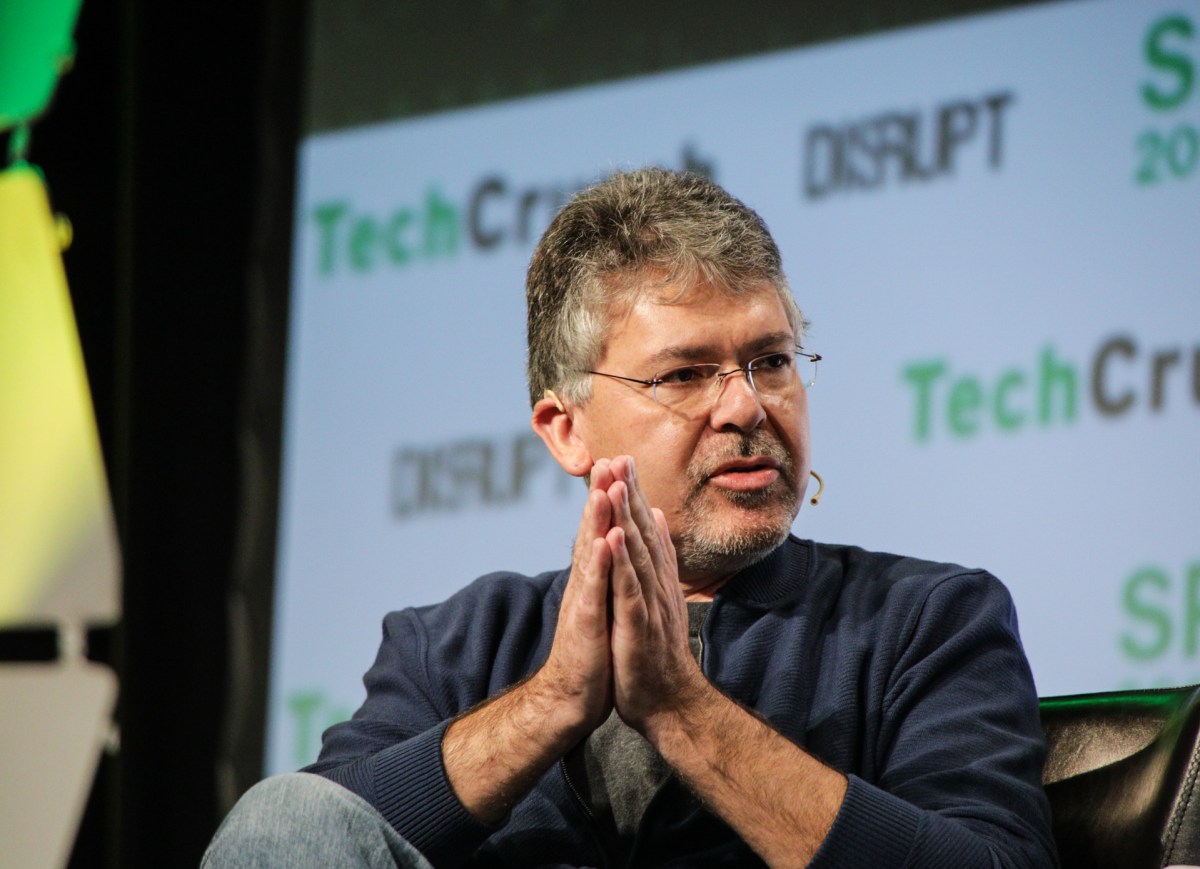
Leadership Transition at Apple
Apple confirmed that John Giannandrea, who has overseen the company’s artificial‑intelligence strategy since 2018, is stepping down from his role as AI chief. Giannandrea will remain with Apple in an advisory capacity through the spring, providing continuity during the transition.
The company introduced his successor, Amar Subramanya, a senior executive with a notable track record across the tech industry. Subramanya is described as a highly regarded professional who spent 16 years at Google before moving to Microsoft, where he most recently led engineering for the Gemini Assistant.
Subramanya’s Background and Expertise
Amar Subramanya’s career reflects extensive experience with two of Apple’s biggest competitors. At Google, he contributed to the development of machine‑learning and search technologies. His later role at Microsoft involved guiding the engineering of the Gemini Assistant, a conversational AI platform. This blend of expertise is seen as valuable for Apple as it seeks to strengthen its AI capabilities and compete more effectively in the rapidly evolving market.
Context: Apple Intelligence’s Recent Struggles
The leadership change occurs against a backdrop of challenges for Apple Intelligence, the company’s AI initiative launched in late 2024. Since its debut, Apple Intelligence has been described as “underwhelming,” with several high‑profile missteps. Notably, a notification‑summary feature generated inaccurate headlines, and Siri’s promised overhaul failed to meet expectations. These issues contributed to criticism from media outlets and prompted internal scrutiny of Apple’s AI strategy.
Additional concerns have emerged surrounding the reliability of AI‑generated content, with incidents of false reporting involving public figures and events. The cumulative effect of these problems has heightened pressure on Apple’s AI leadership to deliver more robust and trustworthy solutions.
Implications for Apple’s AI Roadmap
Apple’s approach to AI emphasizes on‑device processing using its custom Apple Silicon chips, prioritizing user privacy by minimizing data collection. While this strategy differentiates Apple from competitors that rely on large cloud‑based models, it also presents challenges related to model size and capability.
By bringing Subramanya on board, Apple may aim to bridge gaps in its AI development, potentially leveraging insights from Google’s and Microsoft’s large‑scale AI operations. The appointment signals Apple’s intent to accelerate improvements to Siri, enhance the accuracy of AI‑generated content, and address the performance criticisms that have plagued Apple Intelligence.
Outlook
As Giannandrea transitions to an advisory role and Subramanya assumes leadership, Apple is positioned at a pivotal moment in its AI journey. The company’s success will depend on how effectively it can integrate Subramanya’s expertise with its privacy‑first philosophy, and whether it can restore confidence in its AI products amid ongoing scrutiny.
Source: techcrunch.com