

Key Points
- DeepSeek releases two open‑source AI models, DeepSeek‑V3.2 and DeepSeek‑V3.2‑Speciale.
- Models claim performance comparable to GPT‑5 and Gemini 3 Pro on complex reasoning and tool use.
- Sparse Attention reduces computational cost for 128,000‑token contexts by up to 70 %.
- Speciale variant scores 99.2 % on a major math tournament and tops several coding benchmarks.
- Open‑source MIT license permits free download, modification, and commercial use.
- European regulators and U.S. lawmakers have raised security and data‑privacy concerns.
- Release could reshape AI access by lowering cost barriers and challenging U.S. market dominance.
Open‑Source Models Aim for Frontier Performance
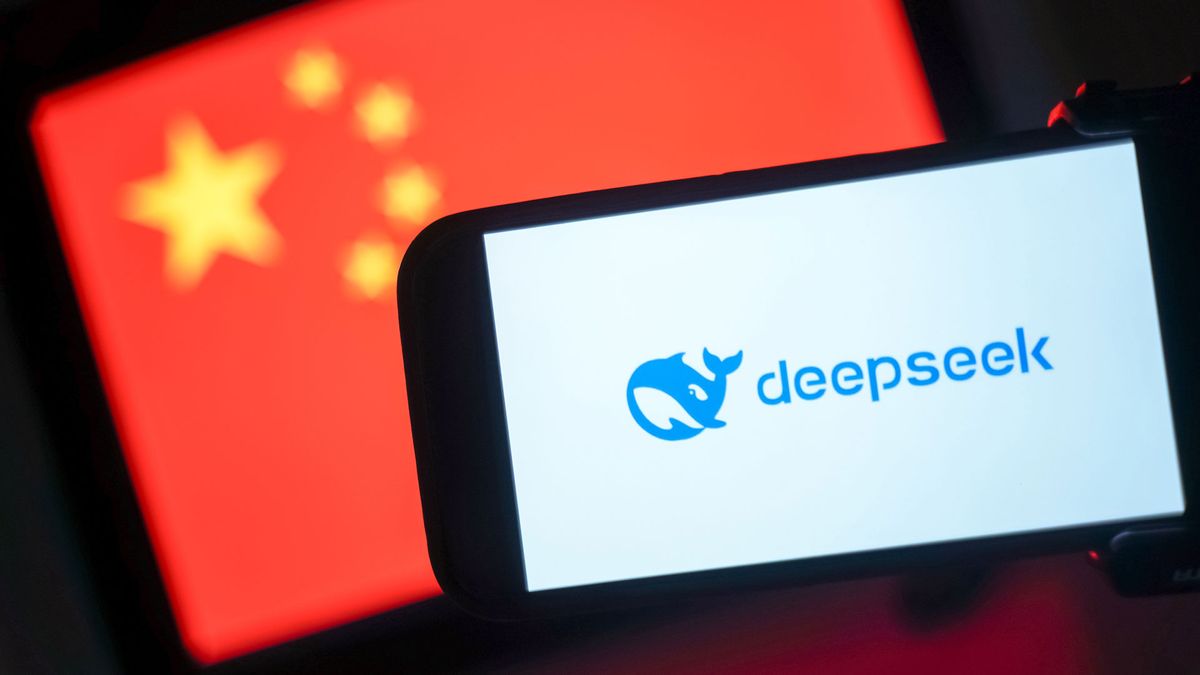
DeepSeek, a Chinese AI startup, announced the release of two large language models: DeepSeek‑V3.2 and a higher‑performance variant called DeepSeek‑V3.2‑Speciale. Both models are distributed under an MIT‑style open‑source license, allowing anyone to download, modify, and commercialize the weights. According to DeepSeek, the models match or exceed the capabilities of GPT‑5 and Gemini 3 Pro on tasks that require long‑form reasoning, tool use, and dense problem solving, such as international math and coding competitions.
Key technical innovations include a Sparse Attention mechanism that reduces the cost of processing long documents by focusing on the most relevant input parts, cutting expenses for 128,000‑token contexts by up to 70 %. The models also retain memory across tool interactions, enabling more seamless multi‑step workflows involving web browsers, coding environments, and other utilities.
Performance Benchmarks and Real‑World Utility
DeepSeek‑V3.2‑Speciale reportedly achieved a 99.2 % score on the Harvard‑MIT Math Tournament, 73 % on software bug‑fixing tasks, and gold‑medal results on multiple international benchmarks without external internet access. The models were trained on over 85,000 complex synthetic instructions to improve tool‑use capabilities, positioning them for real‑world applications such as multi‑day vacation planning, budget constraints, and code verification.
Geopolitical and Regulatory Fallout
The open‑source release has drawn attention from regulators and policymakers. German authorities have attempted to block DeepSeek over data‑transfer concerns, Italy previously banned the app, and U.S. lawmakers have called for its removal from government devices. These actions reflect broader tensions surrounding Chinese AI firms and the strategic implications of widely accessible, high‑performance models.
Impact on the AI Landscape
By offering frontier‑level performance at a fraction of the cost associated with proprietary models that rely on paid APIs and extensive red‑team testing, DeepSeek challenges the current market structure dominated by American companies. The move underscores a shift from exclusive, pay‑walled access toward broader democratization of advanced AI capabilities, while also highlighting the trade‑offs between openness, safety, and geopolitical risk.
Source: techradar.com