

Key Points
- OpenAI unveils GPT-5.2, its most capable model series for professional tasks.
- Three variants—Instant, Thinking, and Pro—offer improved spreadsheet, presentation, and code generation.
- Thinking model reduces hallucinations, enhancing reliability for users.
- Pre‑release testers include Notion, Box, Shopify, Harvey, Zoom, and Databricks.
- Senior immunology researcher reports sharper questions and stronger explanations with GPT-5.2 Pro.
- Disney signs a three‑year licensing deal, becoming a major OpenAI customer with a $1 billion investment.
- Internal “code red” memo redirects resources, delaying some advertising initiatives.
- Age‑prediction model in early testing to protect minors; adult mode slated for early 2026.
- GPT-5.2 rollout begins with paid ChatGPT plans, while GPT-5.1 remains as a legacy option for three months.
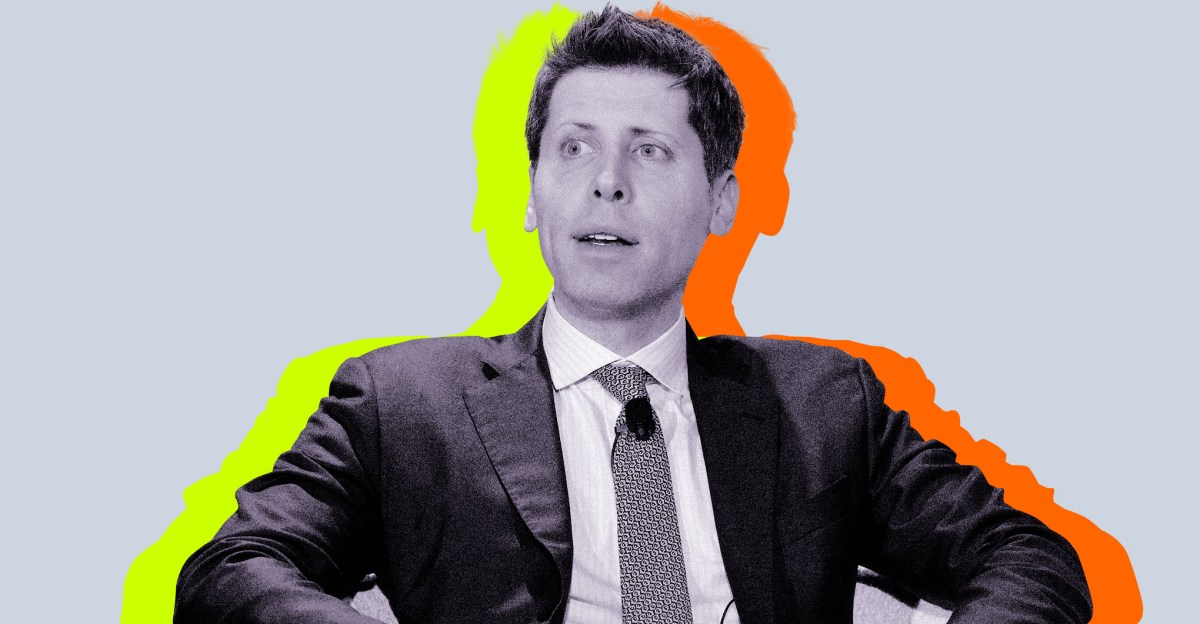
Introducing GPT-5.2: A New Benchmark for Professional AI
OpenAI announced the GPT-5.2 model series, positioning it as the company’s “best model yet for everyday professional use.” The lineup consists of three variants—Instant, Thinking, and Pro—each built to improve on a range of core capabilities. According to OpenAI, GPT-5.2 is more adept at creating spreadsheets, building presentations, writing code, perceiving images, understanding long contexts, using tools, and handling complex, multi‑step projects.
Early Feedback and Real‑World Testing
Pre‑release testing involved several prominent firms, including Notion, Box, Shopify, Harvey, Zoom, and Databricks. A senior immunology researcher who accessed the GPT-5.2 Pro model reported that the system generated “sharper questions and stronger explanations” about unanswered immune‑system questions than any other frontier model they had tried.
Advances in Reliability and Hallucination Reduction
The Thinking variant was highlighted for its reduced hallucination rate compared with earlier models, a feature OpenAI stressed as critical for professionals seeking trustworthy AI assistance. The company framed these improvements as part of a broader effort to make ChatGPT a more reliable, personalized assistant for everyday work.
Positioning Against Competitors and Future Roadmap
OpenAI’s rollout of GPT-5.2 comes less than a month after the release of GPT-5.1, which emphasized a warmer, more enjoyable conversational tone and introduced personality presets. While GPT-5.2 retains an enjoyable user experience, OpenAI notes that it feels more structured and reliable. The announcement also referenced ongoing competition with Google’s AI efforts and hinted at future models, including one codenamed “Garlic” slated for release next year.
Strategic Initiatives and Partnerships
In parallel with the model launch, OpenAI disclosed an internal “code red” memo aimed at marshaling resources toward key priorities, including a temporary delay of advertising initiatives. The same day, the company revealed a three‑year licensing agreement with Disney that will allow user‑prompted social videos featuring characters from Disney, Marvel, Pixar, and Star Wars. Disney is set to become a major customer and is contributing a $1 billion equity investment in OpenAI.
Safety Features and Upcoming Capabilities
OpenAI also mentioned an early‑stage age‑prediction model designed to apply safeguards for minors. The company is testing this feature in select countries to accurately identify teens without misclassifying adults. OpenAI indicated that an “adult mode” is planned for rollout in the first quarter of 2026.
Deployment Strategy
GPT-5.2 is being rolled out today within ChatGPT’s paid subscription tiers—Plus, Pro, Go, Business, and Enterprise—with a gradual deployment approach to maintain a smooth user experience. GPT-5.1 will remain available under a “legacy models” dropdown for three months before being fully sunsetted.
Source: theverge.com