
Key Points
- Live translation now works with any Android earbuds, not just Pixel Buds.
- Beta rollout starts in the United States, Mexico and India.
- Supports over 70 languages for real‑time conversation, lectures and media.
- Gemini AI upgraded to better translate idioms, slang and local expressions.
- Language‑learning app adds pronunciation feedback and daily streak tracking.
- Learning service expands to 20 new countries, including Germany and Sweden.
- iOS version planned for release in 2026.
- Google aims to broaden availability to additional markets over time.
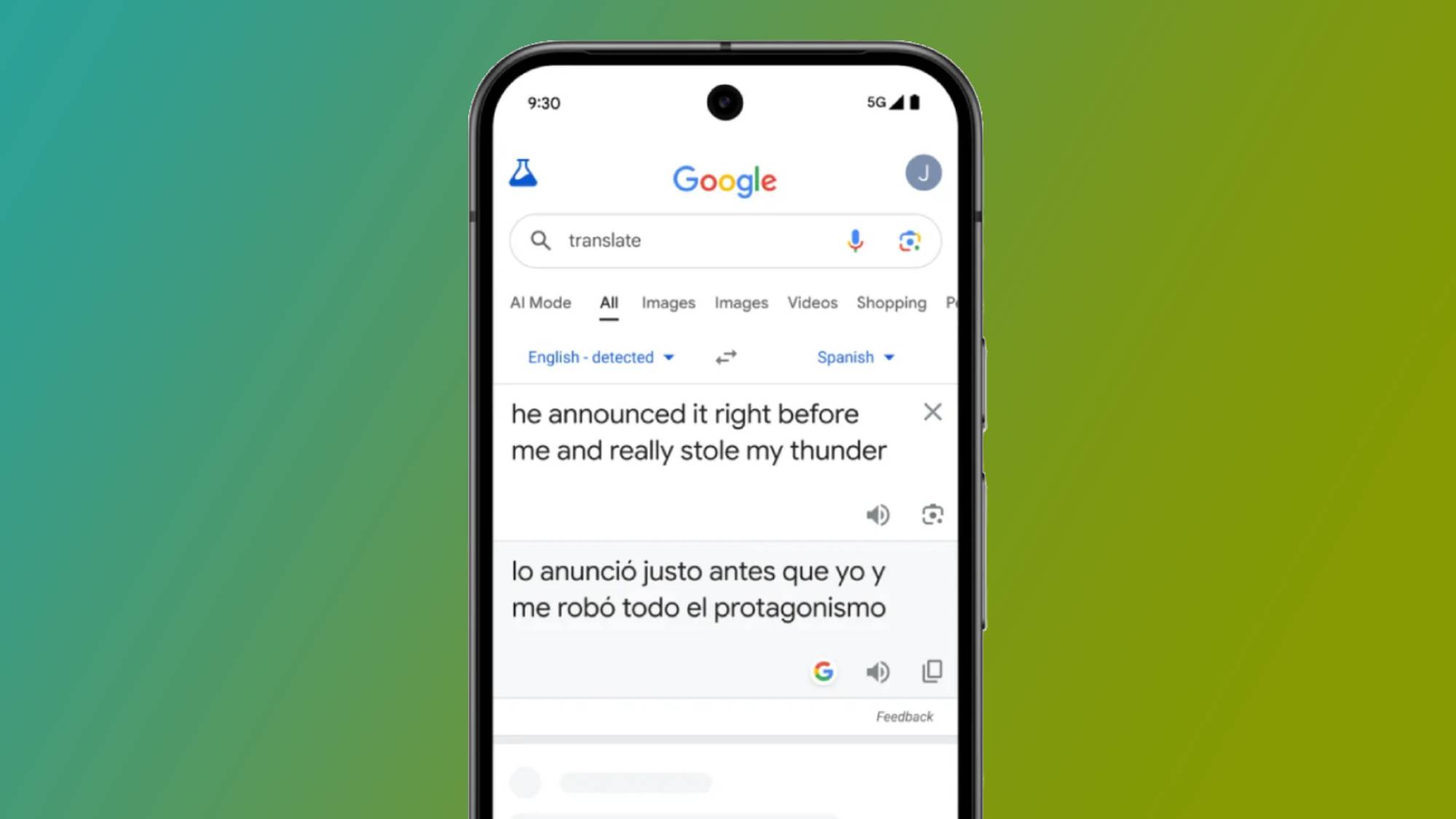
Google Translate translating an idiom in the app
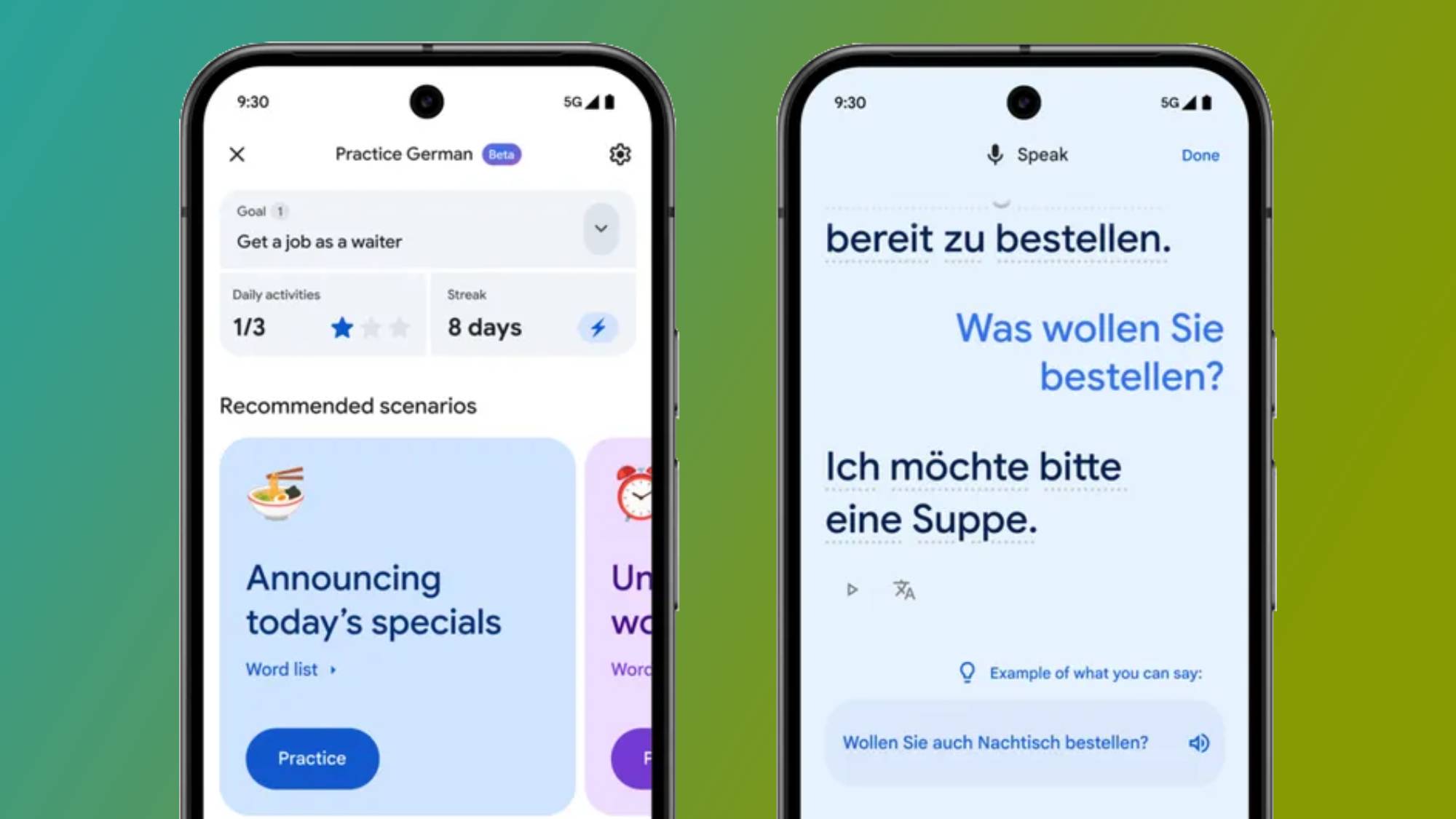
Two smartphones showing Google Translate's language learning service
Live Translation Expands Beyond Pixel Buds
Google announced that its real‑time voice translation, originally limited to Pixel Buds, is now being extended to all earbuds that run Android. The feature is entering a beta phase for users in the United States, Mexico and India, accessible through the Translate app. Unlike earlier versions, the new system strives to keep the original speaker’s tone, emphasis and cadence, making conversations sound more natural and helping listeners identify who said what.
Support for Over 70 Languages
The expanded service can translate in more than 70 languages, covering a wide range of everyday situations such as listening to lectures, speeches or foreign‑language media. Google highlighted that the technology works in scenarios like watching movies or TV shows that are not in the user’s native language, providing seamless, on‑the‑fly interpretation.
Gemini AI Improves Idiom and Slang Translation
Alongside the broader rollout, Google is upgrading the Gemini model that powers Translate. The enhancements focus on moving beyond literal word‑for‑word translations to capture the meaning of idioms, slang and local expressions. For example, the phrase “stealing my thunder” is now rendered with its contextual sense rather than a direct literal translation.
Language‑Learning Tools Get a Refresh
Google’s language‑learning features, often likened to a Duolingo‑style platform, are also receiving a makeover. Users will now receive detailed feedback on pronunciation and actionable tips for improvement. A new progress‑tracking feature shows how many consecutive days a learner has practiced, encouraging consistency.
The learning service is expanding to 20 additional countries, including Germany, India, Sweden and Taiwan. This broadened reach allows English speakers to study German and Portuguese, while speakers of Bengali, Mandarin Chinese (Simplified), Dutch, German, Hindi, Italian, Romanian and Swedish can learn English.
Future Plans for iOS and Wider Availability
Google indicated that the live‑translation capability will eventually be available on iOS devices, though this rollout is not expected until sometime in 2026. The company also plans to introduce the feature to more countries beyond the initial beta markets.
Source: techradar.com