Key Points
- CFOs are asking for proof that AI spend drives measurable outcomes.
- Task‑level speed gains often do not translate to system‑level productivity.
- Reinvest AI‑saved time into quality work, technical debt reduction, and security.
- Apply AI to high‑friction initiatives like migrations and large‑scale refactors.
- Engineering intelligence platforms provide the data needed to link AI use with business results.
- A four‑step checklist can ready organizations for upcoming budget scrutiny.
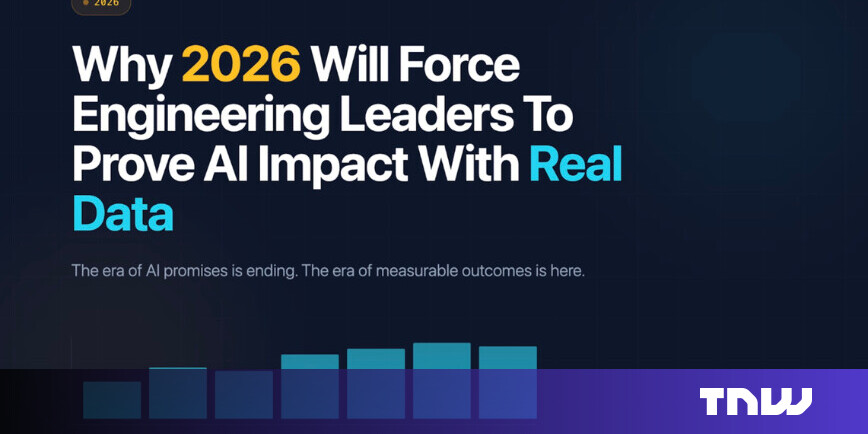

Engineering’s AI reality check

Alex Circei
The CFO’s Question
Engineering executives are facing a new line of questioning from finance leaders: “Can you prove this AI spend is changing outcomes, not just activity?” The focus is shifting from showing adoption numbers to demonstrating clear, traceable impact on productivity, quality, and customer value.
Task‑Level Gains vs System‑Level Reality
AI tools can make a coding task appear up to 55 % faster, but broader data shows that most developers experience only modest improvements, often 10 % or less, with many seeing no measurable benefit. When these task‑level efficiencies are aggregated across teams, overall throughput may plateau or even decline because saved minutes dissolve into meetings, reviews, and incident work.
Reinvesting AI‑Generated Time
Instead of treating AI‑derived time as unstructured extra capacity, organizations should earmark it for quality‑focused activities. Reserving recurring blocks for refactoring, expanding test coverage, improving documentation, and addressing security gaps can reduce future incidents and free more capacity for new work than shaving a few minutes off each ticket.
Targeting High‑Friction Work
The biggest productivity wins come from applying AI to high‑friction, low‑visibility tasks that typically stall roadmaps. Examples include framework migrations, large‑scale legacy refactors, systematic vulnerability remediation, and platform consolidation. AI can accelerate code comprehension, propose refactoring plans, and generate migration scaffolding, compressing timelines that normally consume weeks or months.
Engineering Intelligence Platforms
To answer board‑room questions with data, leaders need a unified view of engineering activity. Platforms that combine Git activity, issue‑tracker data, and AI usage signals enable answers to critical questions: How is engineering time allocated across products and work types? What does performance look like before and after AI adoption? Where do workflow bottlenecks occur? Which teams are delivering high‑impact, customer‑visible changes?
A Checklist for 2026 Readiness
Four steps can prepare organizations for the upcoming scrutiny: (1) Measure baseline allocation of time to new features, maintenance, and incidents. (2) Instrument AI adoption beyond license counts, tracking actual usage and impact on lead time and failures. (3) Decide how to reinvest AI‑generated time into quality levers. (4) Choose a flagship high‑friction initiative as a test case for AI‑enhanced delivery.
Leadership Outlook
Leaders who succeed will move beyond flashy AI demos to honest visibility into how their engineering systems behave. By tying AI adoption to concrete changes in throughput, quality, and system behavior, they can answer hard questions with numbers rather than narratives, positioning their organizations for sustainable growth.
Source: thenextweb.com