
Key Points
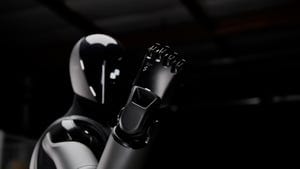
- Former safety engineer sues Figure AI over alleged skull‑fracturing strength of Figure 02 robot.
- Figure AI denies the claim, attributing the engineer’s firing to poor performance.
- Engine AI CEO knocked down by the company’s T800 robot during a staged demonstration.
- The CEO wore padding, but the robot’s exact force remains unclear.
- Both incidents raise questions about transparency of robot strength and safety data.
- Industry observers call for clearer disclosure of performance metrics for humanoid robots.

Lawsuit Against Figure AI
Former safety engineer Robert Gruendel has brought a lawsuit against robotics company Figure AI, asserting that the company’s Figure 02 humanoid robot was demonstrated to possess enough strength to fracture a human skull. Gruendel contends that his termination followed his attempts to raise safety concerns about the robot’s capabilities. In response, a Figure AI spokesperson denied the allegations, stating that the engineer was dismissed due to poor performance rather than any whistleblowing activity. The dispute underscores the tension between rapid advancements in humanoid robotics and the need for rigorous safety oversight.
Engine AI Stunt Incident
In a separate episode, the chief executive of Chinese robotics firm Engine AI participated in a staged demonstration involving the company’s T800 humanoid robot. During the stunt, the CEO was knocked to the ground by the robot, though he wore protective padding in preparation for the encounter. Observers noted that the footage did not clearly reveal the exact force generated by the robot, leaving questions about its true strength and potential hazards unanswered. The incident has sparked discussion about the transparency of performance metrics for humanoid robots.
Broader Implications for the Robotics Industry
These two high‑profile events—one a legal challenge and the other a public demonstration—have intensified calls for clearer communication from robot manufacturers about the capabilities and safety limits of their machines. Stakeholders argue that better disclosure of torque, carrying capacity, and impact force is essential to assess risks to human operators and bystanders. As humanoid robots become more integrated into various sectors, the balance between innovation and safety remains a critical focal point for regulators, companies, and the public.
Source: cnet.com