
Key Points
- DeepMind CEO Demis Hassabis says he is surprised by OpenAI’s early ad testing in its chatbot.
- He emphasizes that Google is reviewing the idea “very carefully” and feels no pressure for a quick decision.
- Hassabis highlights the tension between generating revenue and maintaining user trust in an AI assistant.
- He notes that ads have historically funded the consumer internet but may not fit naturally in conversational contexts.
- Past consumer backlash to ad‑like features in AI products, such as OpenAI’s app suggestions and Amazon Alexa ads, is referenced.
- Google currently has no plans to place ads in its own AI chatbot and will monitor user reactions.
- The DeepMind approach favors rigorous, scientific evaluation over knee‑jerk product changes.
DeepMind CEO Reacts to OpenAI’s Ad Test
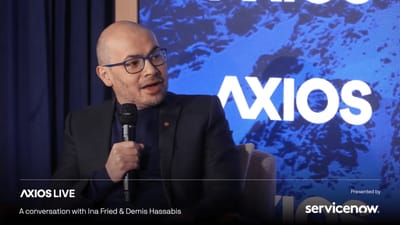
During an interview at the Davos forum, DeepMind co‑founder and chief executive Demis Hassabis expressed surprise that OpenAI has already moved forward with testing advertisements inside its chatbot. He described the decision as something his team at Google is reviewing “very carefully,” emphasizing that there is no immediate pressure from the tech giant to adopt a “knee‑jerk” approach.
Hassabis noted that OpenAI’s move aims to generate extra revenue from the portion of its large user base that does not pay for a subscription. While he acknowledged that advertising has historically funded much of the consumer internet and can be useful if executed well, he raised questions about how ads fit into the model of a trusted digital assistant.
Trust Versus Monetization
According to Hassabis, the core concern is the relationship between users and an AI assistant that is expected to be helpful and personalized. He asked how advertisers can be integrated without eroding the trust users place in the assistant. He contrasted this with Google Search, where the intent is clearer and ads can be more directly relevant, suggesting that the conversational context of a chatbot presents a different challenge.
Past Reactions to Ads in AI Products
The DeepMind chief referenced prior consumer pushback against ad‑like features in AI services. He cited the negative response to OpenAI’s earlier “app suggestion” feature, which many users felt degraded the experience, and mentioned Amazon’s earlier attempts to embed ads in its Alexa platform, which were similarly rejected by users who wanted a pure assistant experience.
Google’s Current Stance
Hassabis clarified that Google has no current plans to place ads in its own AI chatbot. He said the company will monitor how users react to OpenAI’s experiment before deciding on any future steps. The remarks underscore a cautious, scientific approach within DeepMind, focusing on rigorous evaluation rather than rapid product changes.
Looking Ahead
While OpenAI’s testing continues, Hassabis indicated that the broader industry is still grappling with how to balance monetization and user experience in AI assistants. He suggested that a thoughtful, measured approach—one that respects user trust—will be essential if advertising ever becomes a standard feature in conversational AI.
Source: techcrunch.com