
Key Points
- Winter storm affected thirty‑four states, leaving over four‑hundred thousand customers without power.
- AI data centers are driving a steep increase in electricity demand, contributing to price spikes.
- Wholesale electricity prices in Virginia surged above $1,800, far higher than the prior day’s $200.
- Dominion Energy restored power to eighty‑five percent of forty‑eight thousand customers in Virginia.
- Aging grid infrastructure and climate‑related damage exacerbate the challenges of meeting demand.
- The Department of Energy authorized backup generators at large facilities, including data centers.
- Experts suggest demand‑response programs could help mitigate future price spikes.
- Utilities are working to upgrade transmission lines and replace century‑old equipment.
Winter Storm Impacts and Grid Stress
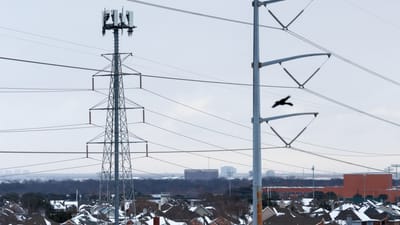
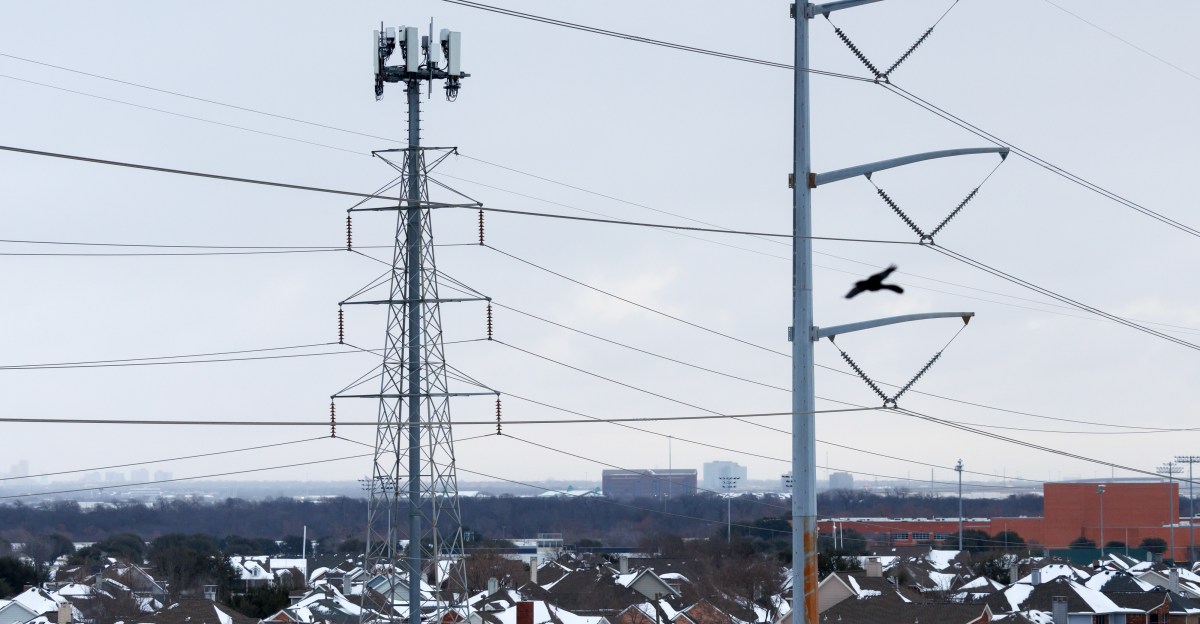
A large winter storm moved across a broad swath of the United States, affecting thirty‑four states and leaving more than four‑hundred thousand customers without electricity. The storm’s bitter cold temperatures persisted after the event, continuing to test power grids that were already under pressure from a surge in electricity demand.
AI Data Centers Amplify Demand
One of the key drivers of the heightened demand is the rapid expansion of artificial‑intelligence data centers. These facilities consume large amounts of power, adding to the already steep rise in electricity usage that has not been seen in more than a decade. In Virginia, the state with the most data centers, wholesale electricity prices jumped above $1,800 in a single day, compared with roughly $200 the day before.
Utility Response and Restoration Efforts
Dominion Energy, the largest utility in the region, worked to restore service and reported that it had restored power to eighty‑five percent of the forty‑eight thousand customers impacted in Virginia. Across the nation, utilities are dealing with older infrastructure that approaches a century in age, as well as the need to upgrade transmission lines to connect new power sources and customers.
Challenges Beyond Weather
Beyond the immediate storm, several factors contribute to rising energy costs and grid vulnerability. The electrification of homes and buildings, domestic manufacturing, and the need to replace or repair aging equipment all drive up expenses. Climate‑related disasters, such as ice accumulation on power lines and tree branches, remain the biggest threat to grid reliability.
Expert Perspectives on Grid Resilience
Energy consultants note that the storm served as a stress test for how grids will cope with future demand spikes tied to AI workloads. While it is still early to determine the precise impact of data centers during this cold snap, experts stress the importance of planning ahead. The Department of Energy issued orders allowing grid operators to deploy backup generators at large industrial facilities, including data centers, regardless of existing environmental permits or state limits.
Potential Mitigation Strategies
High electricity prices could eventually motivate AI data center operators to participate in demand‑response programs, voluntarily curbing consumption during peak periods and earning revenue for doing so. However, industry insiders suggest that many tech companies remain focused on AI development and may not prioritize cost‑saving measures in the near term.
Looking Forward
The storm highlighted the intertwined challenges of climate change, aging infrastructure, and the growing energy appetite of AI technologies. While utilities have made progress—such as deploying more battery storage since the 2021 Texas outage—the need for coordinated policy, grid upgrades, and strategic demand‑response remains critical to ensure reliable power delivery during future extreme weather events.
Source: theverge.com