

Key Points
- Microsoft’s net income rose $7.6 billion due to its OpenAI partnership.
- OpenAI holds a 20% revenue‑share agreement with Microsoft.
- OpenAI committed to buying $250 billion of Azure services, driving 45% of Microsoft’s performance obligations growth.
- Microsoft invested $5 billion in Anthropic, securing a $30 billion Azure compute contract.
- Capital expenditures reached $37.5 billion, largely for GPUs and CPUs supporting AI workloads.
- Total revenue hit $81.3 billion, with cloud revenue breaking $50 billion for the first time.
- All major business units posted double‑digit growth except Windows devices and Xbox content.
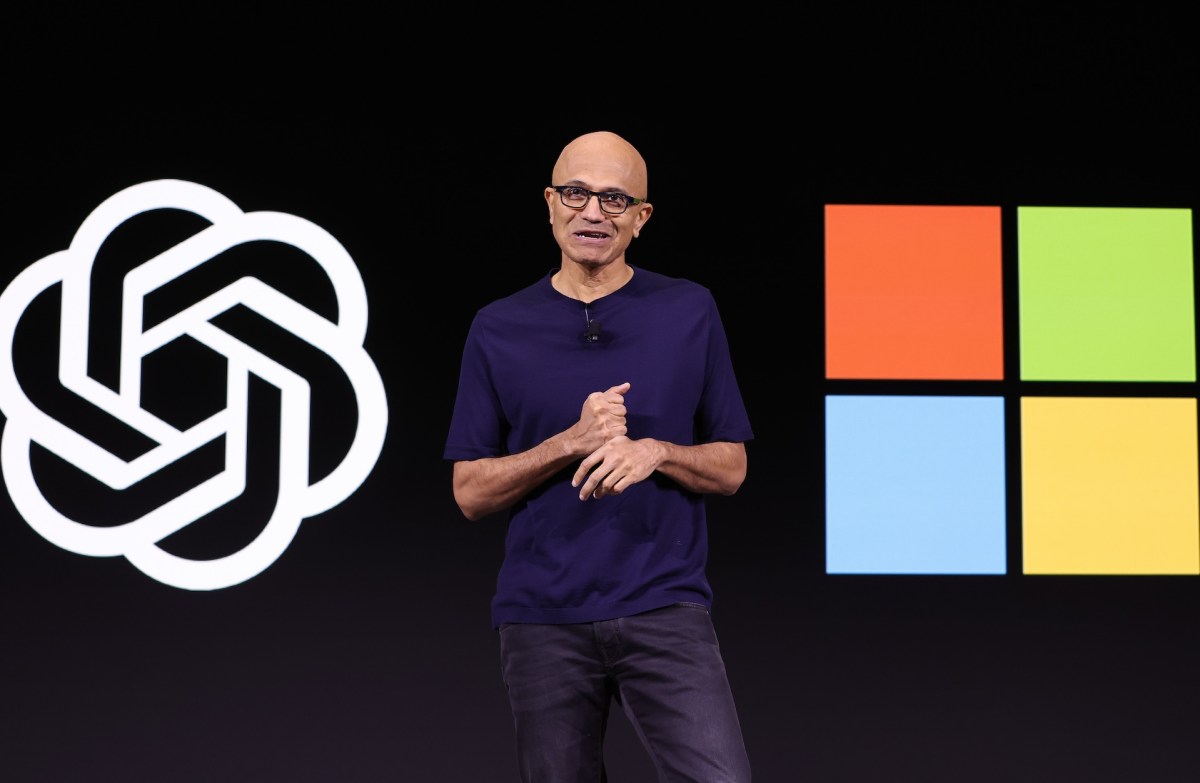
Financial Impact of the OpenAI Deal
Microsoft’s latest quarterly earnings reveal a $7.6 billion lift in net income directly linked to its investment in OpenAI. The software giant’s agreement with the AI lab includes a 20% revenue‑share arrangement, though neither company has publicly confirmed the exact terms. OpenAI’s booming revenue stream has become a significant driver of Microsoft’s financial performance, contributing to a substantial rise in the company’s commercial remaining performance obligations.
Azure Commitments and Performance Obligations
As part of a renegotiated deal in September, OpenAI pledged to purchase an additional $250 billion of Azure services. This commitment appears on Microsoft’s balance sheet as “commercial remaining performance obligations,” which surged from $392 billion to $625 billion in the most recent quarter. Roughly 45% of that increase is attributed to OpenAI, highlighting the deepening reliance of the AI lab on Microsoft’s cloud infrastructure.
Broader AI Partnerships and Investments
Microsoft’s AI strategy extends beyond OpenAI. The company also highlighted Anthropic, another leading AI startup, which received a $5 billion investment from Microsoft. Anthropic has signed a $30 billion Azure compute capacity contract, with intentions to expand the agreement further. These partnerships are expected to bolster Microsoft’s future commercial bookings, which grew 230% year over year.
Capital Expenditures and Infrastructure Spending
In the same quarter, Microsoft allocated $37.5 billion to capital expenditures, with two‑thirds directed toward “short‑lived” assets such as GPUs and CPUs required to power AI workloads on Azure. This heavy investment underscores the company’s commitment to scaling the hardware foundation needed for advanced AI services.
Overall Revenue Performance
Microsoft reported total revenue of $81.3 billion, surpassing analyst expectations of $80.27 billion and marking a 17% increase from the year‑ago period. Cloud revenue reached a record $50 billion for the first time, while most business units posted double‑digit growth. Exceptions included Windows devices, which grew modestly, and Xbox content and services, which experienced a slight decline.
Collectively, these figures illustrate how Microsoft’s strategic investments and deep integration with AI partners like OpenAI and Anthropic are reshaping its revenue landscape, positioning the company at the forefront of the rapidly evolving artificial‑intelligence economy.
Source: techcrunch.com