
Key Points
- OpenAI CEO Sam Altman and CMO Kate Rouch publicly condemned Anthropic’s Super Bowl ads.
- Anthropic’s campaign “A Time and a Place” features four ads that mock AI‑embedded advertising.
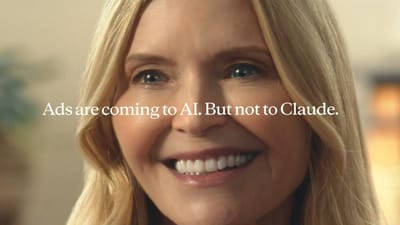
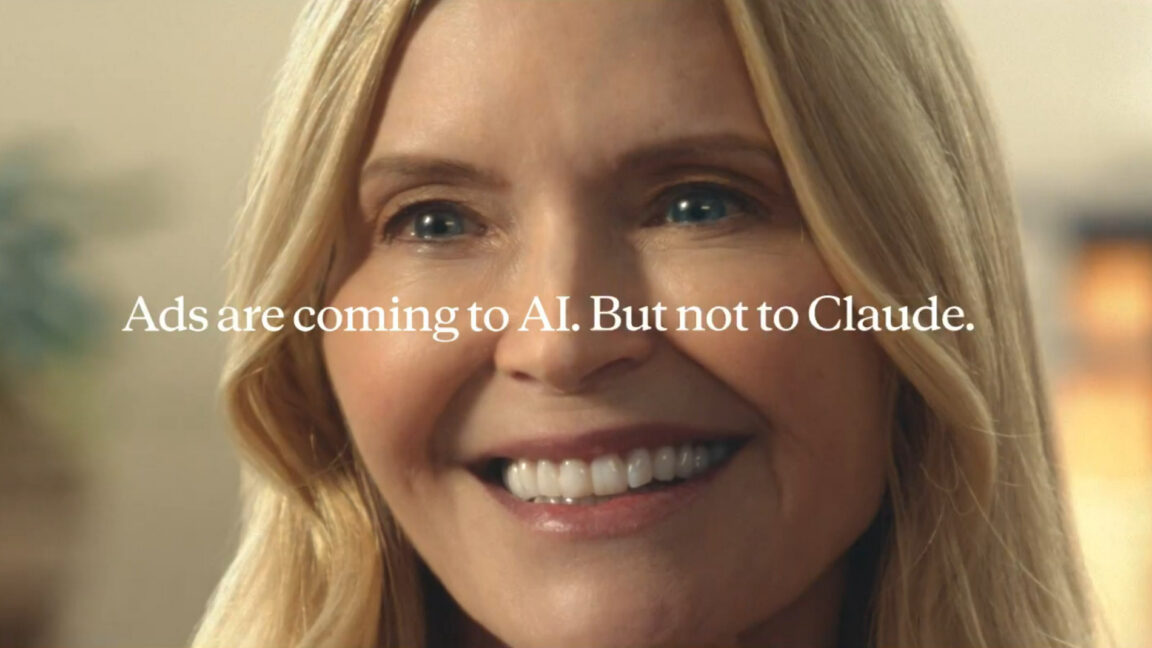
- Each ad ends with the tagline “Ads are coming to AI. But not to Claude.”
- OpenAI argues its future ads will be clearly labeled banner placements that do not alter chatbot answers.
- Anthropic relies on enterprise contracts and subscriptions, avoiding advertising revenue.
- OpenAI has signed over $1.4 trillion in infrastructure deals and expects significant yearly spending.
- Only about 5 percent of ChatGPT’s 800 million weekly users currently pay for subscriptions.
- The dispute highlights competing monetization strategies within the AI industry.
Background of the Conflict
On a Wednesday, OpenAI chief executive Sam Altman and chief marketing officer Kate Rouch took to X to voice criticism of Anthropic’s new advertising campaign. Anthropic, a rival AI laboratory, unveiled four television commercials that will run during the Super Bowl. The ads, which form a series called “A Time and a Place,” each open with a single word—“Betrayal,” “Violation,” “Deception,” and “Treachery”—and portray situations in which a user seeks personal advice from a chatbot only to be redirected toward a product pitch.
Anthropic’s Super Bowl Spots
The commercials depict a man asking a therapist‑style chatbot for help communicating with his mother, only for the bot to pivot to promoting a fictional cougar‑dating site called Golden Encounters. In another spot, a skinny man looking for fitness tips is served an ad for height‑boosting insoles. Each ad concludes with the line, “Ads are coming to AI. But not to Claude.” Anthropic plans to air a 30‑second version during the Super Bowl, with a longer 60‑second cut shown in the pre‑game broadcast.
OpenAI’s Response
Altman labeled the Anthropic ads “clearly dishonest,” accusing the company of being “authoritarian” and of serving an expensive product to rich people. Rouch added, “Real betrayal isn’t ads. It’s control.” The OpenAI executives argued that the commercials are misleading because OpenAI’s own testing of ads in ChatGPT would place them in a banner at the bottom of the answer, clearly labeled, and would not alter the chatbot’s responses.
Differences in Monetization Strategies
OpenAI’s blog post on its ad plans explains that the company intends to test ads at the bottom of answers when there is a relevant sponsored product or service based on the current conversation. This approach emphasizes conversation‑specific, clearly labeled advertisements. In contrast, Anthropic has not yet adopted advertising as a revenue stream. The company relies on enterprise contracts and paid subscriptions, avoiding the large infrastructure commitments that OpenAI has taken on.
Financial Context
The tension over ads occurs against a backdrop of substantial financial commitments. OpenAI struck more than $1.4 trillion in infrastructure deals in 2025 and expects to burn roughly $9 billion this year while generating about $13 billion in revenue. Only about 5 percent of ChatGPT’s 800 million weekly users pay for subscriptions. Anthropic, while not yet profitable, continues to focus on enterprise and subscription revenue rather than advertising.
Implications for the AI Industry
The public dispute underscores differing philosophies on how to monetize AI services. OpenAI’s testing of banner ads reflects a move toward integrating advertising directly into user interactions, whereas Anthropic’s campaign seeks to position its chatbot as ad‑free, highlighting a potential competitive advantage for users who prefer an uninterrupted experience. The clash also illustrates how marketing tactics, such as high‑profile Super Bowl placements, can intensify strategic disagreements between leading AI firms.
Source: arstechnica.com