
Key Points
- Brands are using AI to create video ads quickly and cheaply.
- Marketers claim AI offers perfect consistency, no human error, and easy scalability.
- Viewers often find AI‑generated spokespeople uncanny and untrustworthy.
- Trust is eroded when synthetic ads are perceived as deceptive.
- AI should support, not replace, human storytelling to retain authenticity.
- Future advertising may require clearer disclosure and balanced use of AI.
AI ads
Rise of AI‑Generated Video Advertising
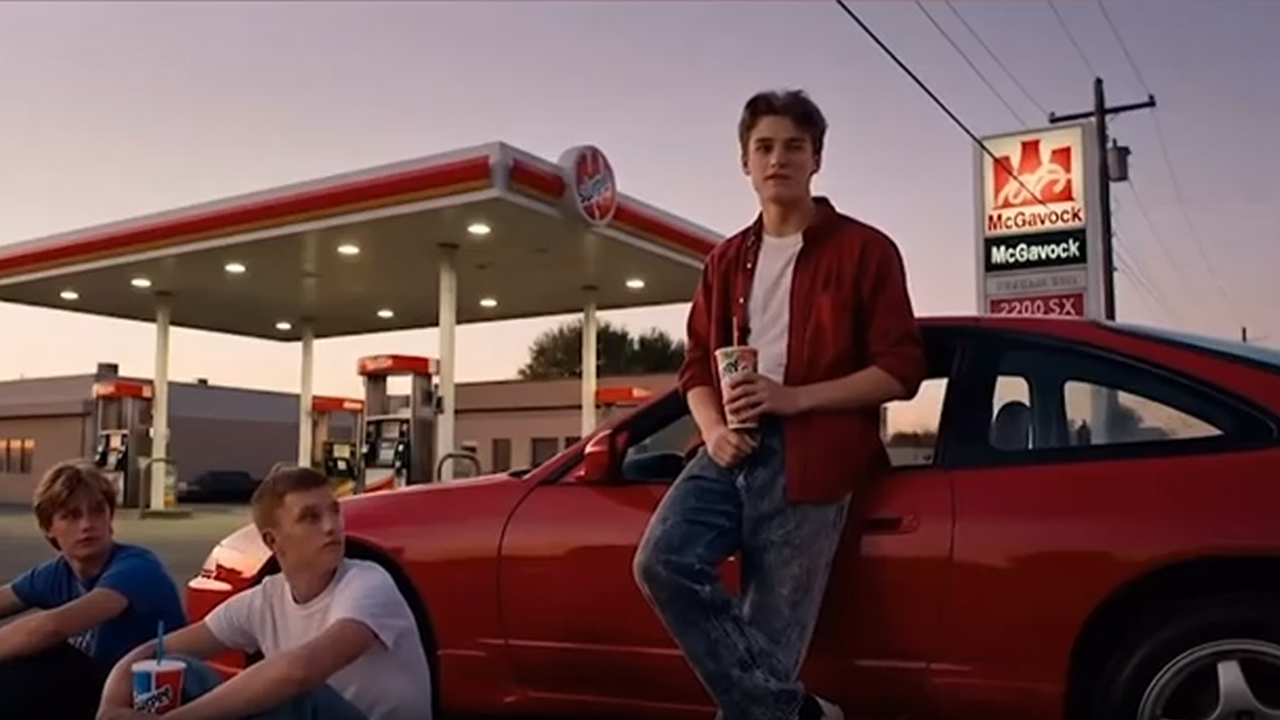
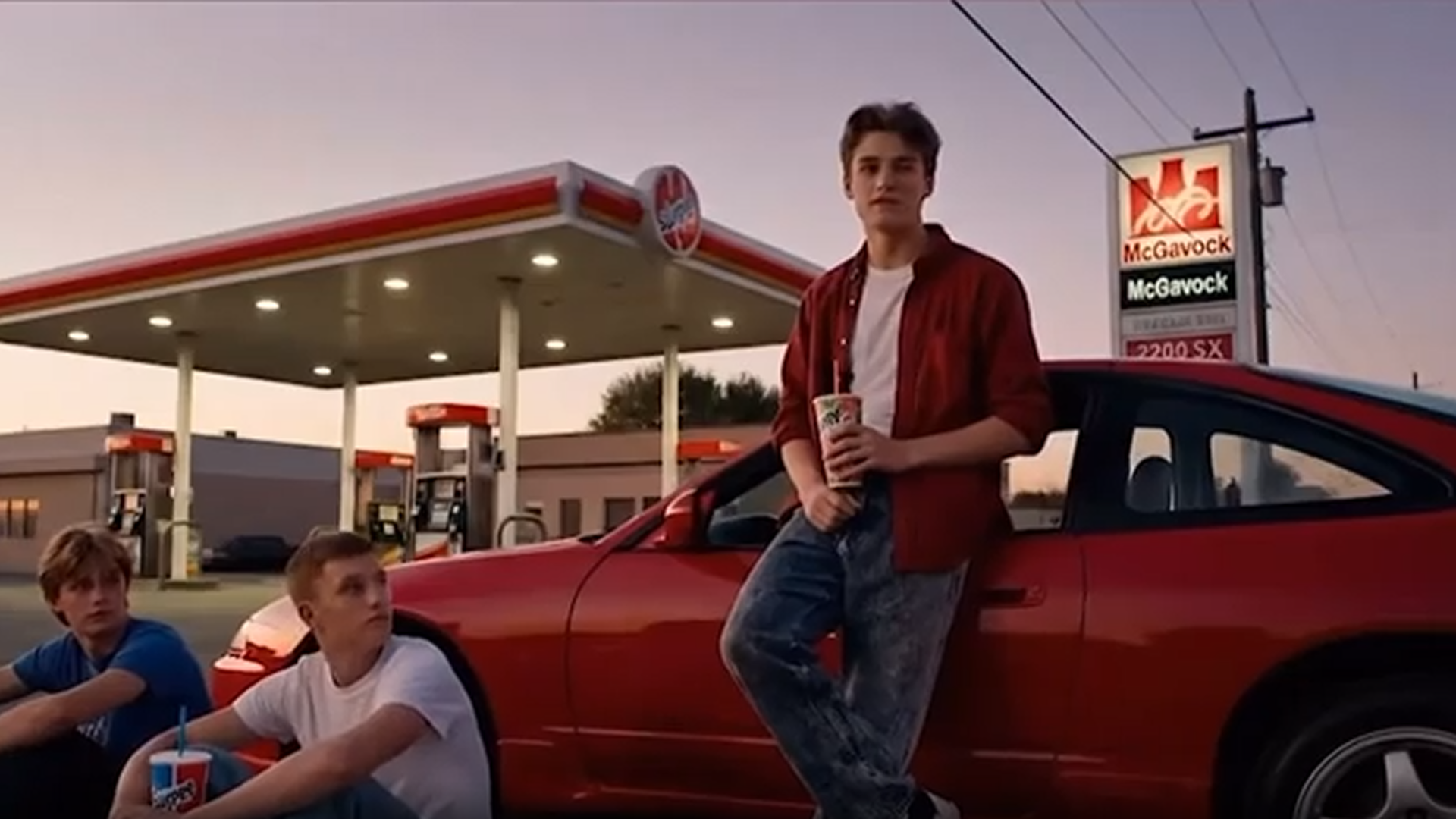
Advertising agencies and brands are embracing artificial‑intelligence tools that can produce full‑length video commercials with minimal human involvement. The technology allows a single piece of copy to be turned into a polished ad, complete with lighting, actors and voice‑overs, in a matter of clicks. Because the process eliminates the need for on‑set shoots, it promises lower costs and the ability to quickly tailor content for different markets.
Perceived Benefits Highlighted by Marketers
Proponents argue that AI avatars never miss a cue, never age out of relevance, and are immune to the unpredictable behavior of human talent. They claim that synthetic performers provide a level of brand safety, consistency and scalability that traditional productions cannot match. Supporters also point out that AI can personalize content, test creative ideas rapidly, and handle routine editing tasks, freeing human creators to focus on higher‑level storytelling.
Consumer Reaction and the Uncanny Valley Effect
Despite these advantages, many viewers report a feeling of unease when confronted with AI‑driven ads. The faces and voices often appear almost, but not quite, human, leading to an “uncanny valley” impression. Audiences describe the synthetic smiles as lacking genuine emotion, which erodes trust in both the advertisement and the brand behind it. Some platforms even overlay a disclaimer that the content is AI‑generated, yet this does little to alleviate suspicion.
Trust as the Central Issue
Trust emerges as the primary casualty of overly synthetic advertising. When consumers sense that a brand is trying to deceive them by presenting artificial endorsements as authentic, they are more likely to disengage or develop a negative perception of the company. The lack of a real human connection makes it difficult for audiences to relate to the spokesperson, reducing the ad’s persuasive power.
Balancing Efficiency with Authentic Storytelling
Industry observers suggest that AI should serve as a tool to augment, not replace, human creativity. By using AI for tasks such as rapid prototyping, personalization and post‑production editing, marketers can retain the efficiency gains while preserving the genuine human elements that resonate with viewers. The goal is to combine the predictability of synthetic media with the imperfection that makes storytelling feel authentic.
Future Outlook
The conversation around AI‑generated video ads is likely to continue as the technology improves. Brands will need to navigate the fine line between leveraging cost‑effective production methods and maintaining the trust that underpins successful advertising. As consumer awareness grows, the industry may see new standards or best practices that dictate when and how AI should be disclosed and integrated into campaigns.
Source: techradar.com