

Key Points
- AI generators excel at many visual tasks but often misrender human faces and expressions.
- Accurate logos and trademarked characters remain rare due to legal and data limitations.
- Complex scenes with overlapping elements frequently produce nonsensical details.
- Some tools now include editing features that let users regenerate specific image parts.
- Simplifying prompts or using milder adjectives can reduce errors.
- When editing fails, starting over with a refined prompt is often the best solution.
- Industry players are actively working to improve model accuracy and reduce hallucinations.
- Creators should label AI‑generated images to ensure transparency.
Progress and Persistent Challenges
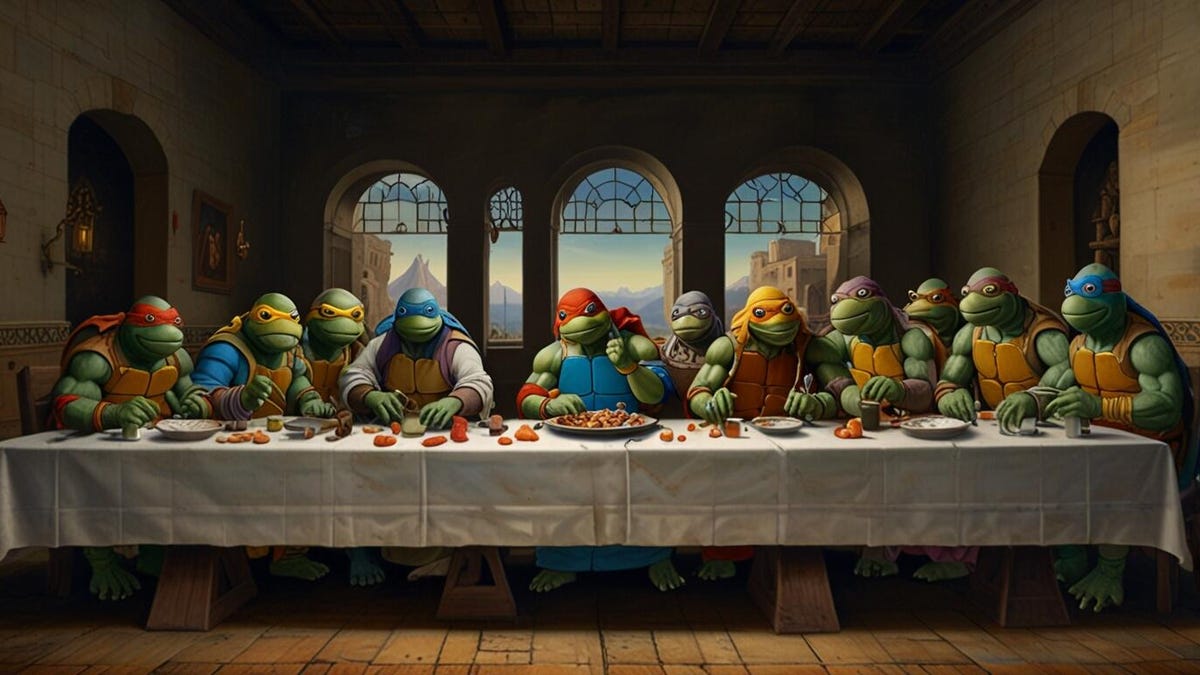
AI image generators have advanced rapidly, delivering realistic and creative visuals for a range of applications. Despite this progress, they consistently encounter difficulties with specific content types. Human faces and expressions remain a notable weak spot, often producing exaggerated or malformed features that betray the image’s synthetic origin. Even when generating cartoon or stylized characters, the tools may over‑emphasize emotions, resulting in images that look dramatic but lack authenticity.
Trademark and Logo Limitations
Accurately rendering well‑known logos, trademarks, or iconic characters is another frequent shortfall. Legal concerns and gaps in training data mean that generators rarely produce faithful reproductions of brand symbols. Recent experiments with certain platform‑specific AI features have shown modest improvements, yet the outputs still fall short of perfect fidelity. Users are advised to reconsider design concepts that rely on specific brand imagery to avoid infringement risks and quality issues.
Complex Compositions and Overlapping Elements
When prompts contain many overlapping or intricate elements, generators often produce incoherent results. Examples include objects that disappear midway, books with impossible spines, or background details that defy logic. Simplifying prompts or focusing on fewer subjects can mitigate these problems. Some tools offer post‑generation editing that lets users isolate problematic areas and request regeneration, but success varies based on the complexity of the scene.
Editing Tools and Workarounds
Several AI services now provide built‑in editing capabilities, allowing users to select and regenerate specific parts of an image. When such tools are unavailable or ineffective, creators may need to adjust prompt language—using milder adjectives or reducing the number of subjects—to improve outcomes. In many cases, starting anew with a refined prompt proves more efficient than attempting extensive post‑processing.
Industry Outlook
The companies behind these AI models acknowledge the existing flaws and are actively pursuing solutions to reduce hallucinations, improve facial realism, and handle trademarked content more accurately. While the technology is not yet flawless, the continuous improvements suggest a trajectory toward higher reliability. Meanwhile, best practices recommend clearly labeling AI‑generated content to maintain transparency as the visual quality continues to converge with human‑crafted media.
Source: cnet.com