
Key Points
- Carbon Robotics launched the Large Plant Model (LPM) for instant plant species recognition.
- The model was trained on over 150 million photos collected from more than 100 farms in 15 countries.
- Farmers can now direct LaserWeeder robots to target new weeds without additional labeling or retraining.
- Previous weed‑identification updates required about 24 hours per new weed; the LPM works in real time.
- The LPM powers Carbon AI, the AI system inside the autonomous weed‑killing robots.
- Founder Paul Mikesell previously worked at Uber and Meta, bringing deep neural‑network expertise.
- Carbon Robotics has secured over $185 million in venture funding from backers including Nvidia NVentures.
Introducing the Large Plant Model
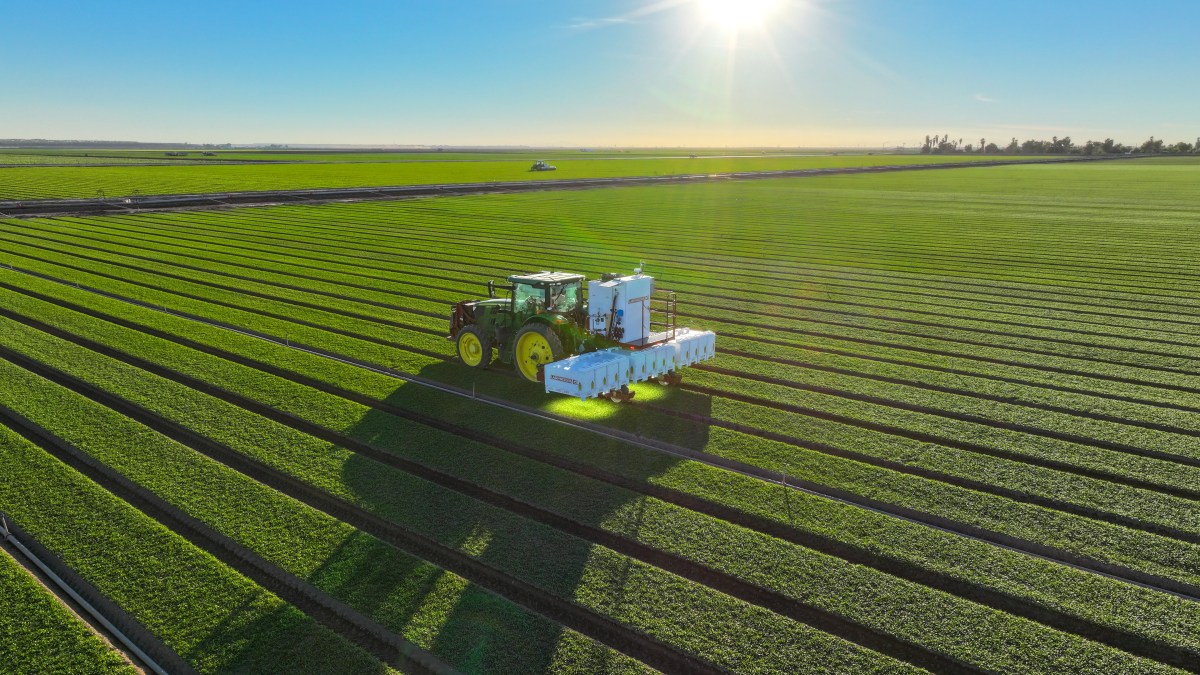
Carbon Robotics, a Seattle‑based company that designs autonomous laser‑based weed‑killing robots, announced a new artificial‑intelligence model called the Large Plant Model (LPM). The LPM can recognize plant species instantly, enabling farmers to tell the robots which weeds to eliminate and which plants to protect in real time.
Training Data and Scope
The model was trained on more than 150 million photos and data points gathered by the company’s machines operating on over 100 farms across 15 countries. This extensive dataset gives the LPM the ability to identify plants it has never seen before, eliminating the need for fresh labeling or retraining whenever a new weed appears.
Impact on Farm Operations
Prior to the LPM, each new weed required a separate data‑labeling process that took about 24 hours. With the new model, a farmer can simply select a photo of an unwanted plant in the robot’s user interface, and the system will instantly learn to target it. This real‑time capability represents a significant efficiency gain for growers using the LaserWeeder fleet.
Technology Background
The company began shipping its first robots in 2022, after being founded in 2018. The founder and CEO, Paul Mikesell, brings experience from previous roles at Uber and from working on Meta’s Oculus virtual‑reality headsets, where he helped develop neural networks. The LPM is now the core of Carbon AI, the broader AI system that runs inside the autonomous robots.
Future Plans and Funding
Carbon Robotics plans to continue refining the model as its machines keep feeding new data into the system. The company has raised more than $185 million in venture capital from investors such as Nvidia NVentures, Bond, and Anthos Capital, positioning it to further advance its precision‑agriculture technology.
Source: techcrunch.com