
Key Points
- cURL is a widely used networking tool embedded in Windows, macOS, and most Linux distributions.
- The project historically offered cash bounties to reward high‑quality vulnerability reports.
- A surge of low‑quality, AI‑generated reports overwhelmed the small maintainer team.
- Founder Daniel Stenberg announced the bug bounty program will end at the end of the month.
- Stenberg warned that repeat low‑effort submissions could lead to bans and public ridicule.
- Some community members worry the termination may affect cURL’s overall security.
Background
cURL, originally released under the names httpget and later urlget, has become an essential utility for administrators, researchers, security professionals, and many other users. It is embedded in default installations of Windows, macOS, and most Linux distributions, making its security a high priority for a broad audience.
Bug Bounty Program
For years, the cURL project relied on private bug reports from external researchers to identify and fix security vulnerabilities. To encourage high‑quality submissions, the project offered cash bounties for reports of serious flaws. This incentive helped maintain the tool’s reliability and safety.
Shift in Submission Quality
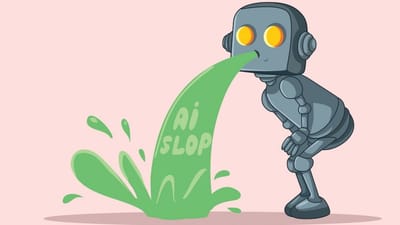
Recent months have seen a dramatic increase in the number of vulnerability reports submitted to the project. A large portion of these submissions are low‑quality and appear to be generated by automated AI tools, often referred to as “AI slop.” The volume and poor quality of these reports have placed a heavy burden on the small group of active maintainers.
Decision to End the Program
Daniel Stenberg, the founder and lead developer, explained that the project is a small, single‑maintainer open‑source effort with limited capacity to manage the surge of submissions. He stated, “We are just a small single open source project with a small number of active maintainers,” emphasizing that the team cannot control how external contributors generate reports. To protect the team’s well‑being, Stenberg announced that the bug bounty program will be discontinued at the end of the month.
In a separate communication, Stenberg warned that repeated low‑effort reports would result in bans and public ridicule, underscoring the frustration felt by the maintainers.
Community Reaction
Some cURL users expressed concern that ending the bounty program might weaken the tool’s security posture, arguing that the program addressed symptoms rather than the underlying cause of the influx. While acknowledging these concerns, Stenberg indicated that the maintainers have little choice given the current circumstances.
Implications
The termination of the bug bounty program highlights the challenges faced by open‑source projects when confronted with large volumes of low‑quality, AI‑generated contributions. It also raises questions about how such projects can sustain security testing and vulnerability discovery without external incentives.
Source: arstechnica.com