
Key Points
- Private data center spending tops $41 billion annually, matching public transportation outlays.
- State and local governments have sold a record amount of debt, with $600 billion projected for next year.
- Both data centers and traditional projects compete for the same construction workforce.
- Labor shortages are driven by retirements and tighter immigration policies.
- Autodesk CEO Andrew Anagnost warns data center growth will slow many infrastructure projects.
Data Center Construction Accelerates
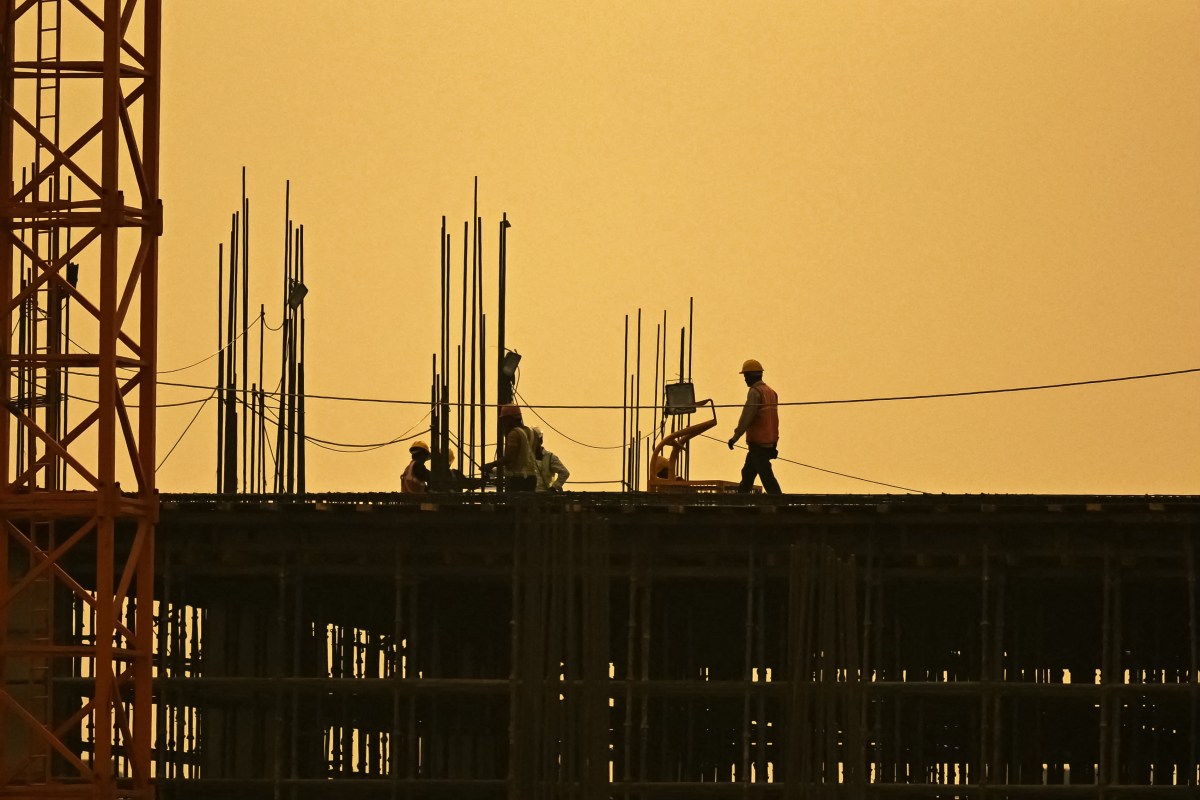
Bloomberg reports that the surge in data center construction is reshaping the allocation of construction resources across the United States. Private investment in these facilities is now running at an annualized rate exceeding $41 billion, a figure that mirrors the amount state and local governments are spending on transportation infrastructure such as roads and bridges.
Record Debt Sales Fund Traditional Projects
In the current fiscal cycle, state and local governments have sold a record amount of debt for the second consecutive year. Financial strategists anticipate another $600 billion in debt sales in the coming year, with most of that capital intended for traditional infrastructure projects. This influx of public financing has historically supported the development and maintenance of critical transportation networks.
Competing for a Limited Workforce
Both the burgeoning data center sector and conventional infrastructure initiatives are drawing from the same pool of construction workers. The industry is already feeling the strain of a shrinking labor force, a situation amplified by two primary factors: a wave of retirements among seasoned workers and a recent tightening of immigration policy under President Donald Trump, which has reduced the flow of new labor into the market.
Industry Leaders Sound the Alarm
Andrew Anagnost, chief executive officer of Autodesk—a leading architecture and design software provider—told Bloomberg that there is “absolutely no doubt” that data center construction is siphoning resources from other projects. He warned that many infrastructure initiatives are unlikely to progress at the pace desired by planners and policymakers, stating, “I guarantee you a lot of those [infrastructure] projects are not going to move as fast as people want.”
Implications for Future Projects
The convergence of high private spending on data centers, abundant public debt financing earmarked for traditional projects, and a constrained labor supply creates a competitive environment that could delay or scale back planned road, bridge, and other infrastructure improvements. Stakeholders in both sectors will need to navigate these challenges as they balance the demands of a rapidly expanding digital economy against the enduring need for robust physical infrastructure.
Source: techcrunch.com