Key Points
- Disney licenses over 200 characters and assets for OpenAI’s generative AI tools.
- The deal excludes real‑actor likenesses and voices.
- Disney makes a sizable equity investment, gaining influence over OpenAI’s policies.
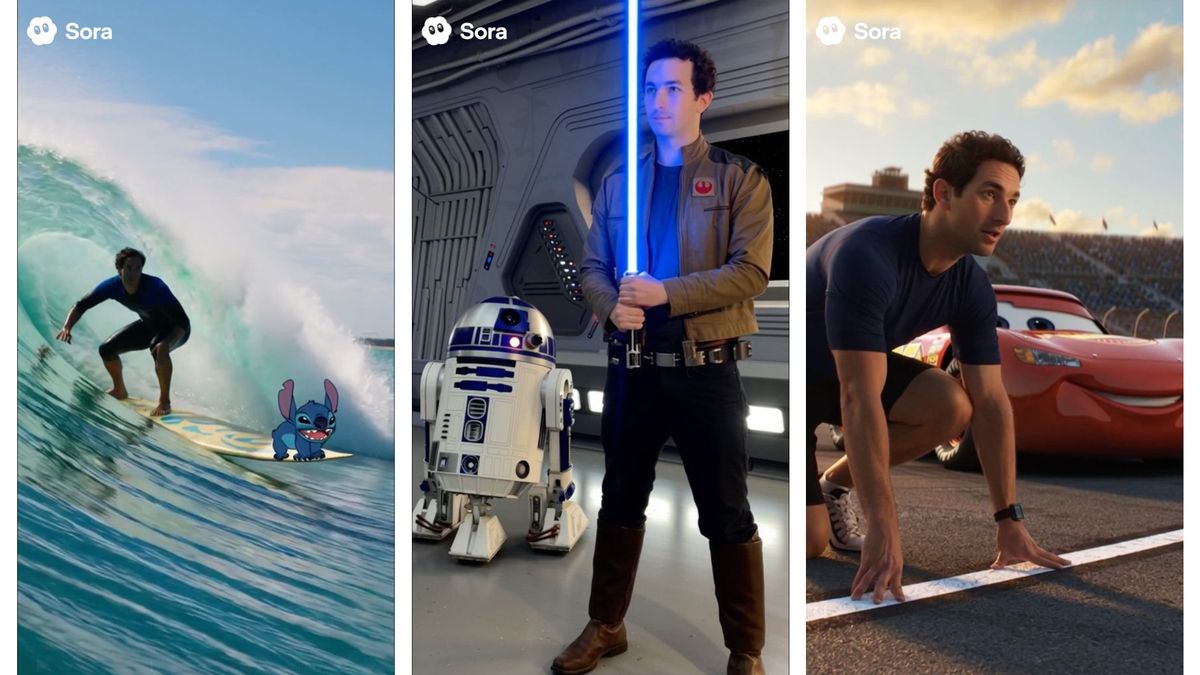
- Fans can now generate images and short videos featuring Disney, Pixar, Marvel and Star Wars characters.
- Both companies will apply content‑filtering to protect brand integrity.
- Artists express concerns that AI could reduce demand for traditional animation talent.
- No clear compensation plan for creators whose work trained the AI models has been disclosed.
- Disney’s involvement may shape future AI regulations and intellectual‑property standards.
Deal Overview
The Walt Disney Company and OpenAI have formalized a licensing agreement that allows OpenAI’s generative AI products to incorporate more than 200 characters, props, vehicles and environments from Disney’s extensive portfolio. The agreement covers animated and masked characters from Disney, Pixar, Marvel and Star Wars, but explicitly excludes the likenesses or voices of real actors. As part of the partnership, Disney is making a sizable equity investment in OpenAI, positioning the media giant as a major enterprise customer and granting it influence over the AI firm’s safety and policy decisions.
New Creative Tools for Fans
OpenAI’s image generation tools within ChatGPT and its Sora video platform will now be able to create images and short films featuring Disney’s iconic characters. Users will be able to prompt the AI to produce scenes that blend characters from different franchises, opening a new avenue for fan‑generated content. The companies describe the collaboration as a step toward “human‑centered AI” and “responsible storytelling,” emphasizing the potential for personalized experiences across Disney’s digital properties.
Brand Protection and Content Controls
Both Disney and OpenAI maintain strong content‑filtering systems. OpenAI already applies “trust and safety” filters, while Disney is known for protecting its brand image. The partnership will likely involve coordinated moderation to prevent the generation of harmful or brand‑inconsistent material. However, the exact definitions of prohibited content have not been disclosed, leaving open the possibility that certain forms of satire or critique could be restricted.
Implications for Creators and the Industry
The introduction of AI‑generated Disney content has sparked concern among animators, visual‑effects artists and other creative professionals. Critics argue that the ability to produce stylized, Disney‑like scenes in minutes could diminish demand for traditional storyboard artists, background painters and junior animators who spend years mastering their craft. Disney’s recent workforce reductions and increased outsourcing further amplify these worries.
While the companies claim they will “respect the rights of creators,” no specific mechanisms for compensating or crediting artists whose work helped train the AI models have been outlined. This lack of clarity adds to the broader debate about how generative AI will reshape intellectual‑property economics and labor practices in the entertainment sector.
Strategic Influence and Future Outlook
Beyond the licensing of characters, Disney’s equity stake gives it a voice in OpenAI’s regulatory engagements and policy formation. As OpenAI navigates evolving AI standards, Disney’s presence could influence decisions that affect legacy brands, fair‑use considerations and artist rights. The partnership signals a major media company’s commitment to integrating advanced AI tools across marketing, scripting, customer service and other operational areas.
Overall, the Disney‑OpenAI alliance opens new creative possibilities for fans while raising complex questions about brand stewardship, content moderation, creator compensation and the future of traditional animation workforces.
Source: techradar.com