
Key Points
- Sam Rockwell leads a time‑traveler on a mission to stop a future AI from being created.
- The film blends chaotic action, dark humor, and tech‑culture satire.
- A diverse ensemble cast portrays characters that embody modern societal anxieties.
- Visuals are bold and inventive, featuring pig‑faced assassins, Stepford‑style parents, and a kaiju.
- The story unfolds in episodic vignettes reminiscent of “Black Mirror”.
- Director Gore Verbinski delivers a fast‑paced, visually striking sci‑fi experience.
- The movie serves as a satirical warning about unchecked technological advancement.
Plot Overview
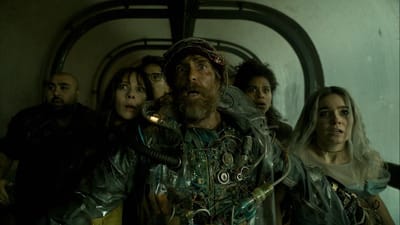
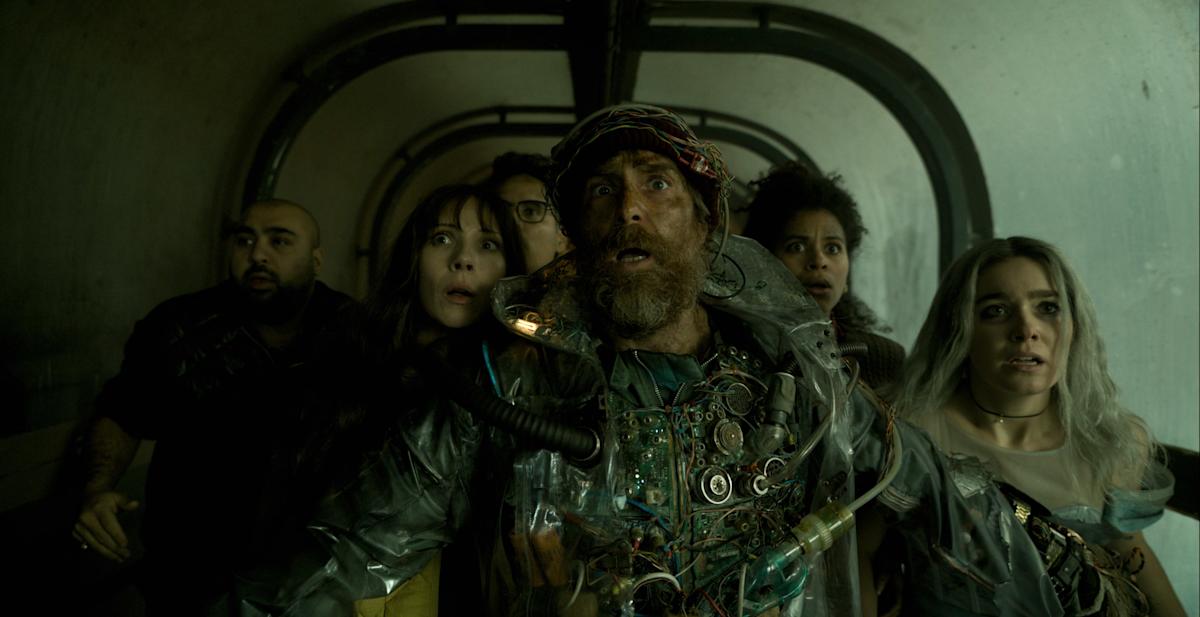
In “Good Luck, Have Fun, Don’t Die,” a ragged‑looking man (played by Sam Rockwell) storms a restaurant, threatening to blow it up unless the patrons join him on a desperate quest. He explains that he has lived through this moment countless times, a premise reminiscent of the time‑loop concept in “Groundhog Day.” His mission is to prevent the birth of a true artificial intelligence that could end humanity, a twist that positions the film as a cautionary tale about unchecked technological progress.
Characters and Themes
The unlikely crew assembled by Rockwell includes a married pair of high‑school teachers (Michael Peña and Zazie Beetz), a distraught mother (Juno Temple), and a woman allergic to Wi‑Fi who wears a princess dress (Haley Lu Richardson). The film also features a comic‑relief character, Scott, played by Asim Chaudhry. Each character represents a facet of contemporary society: the teachers flee from smartphone‑addicted students, the mother confronts a harrowing family situation, and the Wi‑Fi‑allergic woman struggles to fit into a world dominated by smart devices. These individual stories unfold like short, self‑contained episodes, echoing the tone of the anthology series “Black Mirror.”
Visual Style and Tone
Director Gore Verbinski, at the age of 61, brings his signature visual flair to the film. The action sequences are vivid and imaginative, featuring pig‑faced assassins, Stepford‑style parents, and a kaiju that adds a touch of absurdity. The movie’s aesthetic combines the eerie atmosphere of “The Ring” with the swashbuckling set pieces of “Pirates of the Caribbean,” creating a hyper‑tech landscape reminiscent of the chaos in “Akira.” The tone oscillates between frantic comedy and dark satire, delivering a “old man yells at cloud” energy while remaining entertaining.
Critical Reception
Critics note that the film’s strength lies in its willingness to have fun with its premise. While the narrative may lack subtlety, the visual storytelling and inventive set pieces keep viewers engaged. The movie’s relentless pacing and satirical edge resonate with audiences frustrated by the pervasive influence of AI and tech culture. Although it may not reach the terror of classic AI‑centric films like “Terminator 2” or the surreal heights of “Brazil,” it succeeds as a cathartic outlet for viewers who view the notion of true AI with skepticism.
Source: engadget.com