
Key Points
- Google creates the chief technologist for AI infrastructure role.
- Amin Vahdat, a veteran of Google’s AI hardware efforts, fills the position.
- Vahdat reports directly to CEO Sundar Pichai, emphasizing the role’s importance.
- He previously led development of the Ironwood TPU, Jupiter network, Borg, and Axion CPUs.
- Alphabet plans up to $93 billion in capital expenditures through 2025.
- The move aims to retain top AI talent amid intense industry competition.
- Google seeks to maintain a hardware edge over rivals in the AI race.
Leadership Shift Highlights AI Priorities
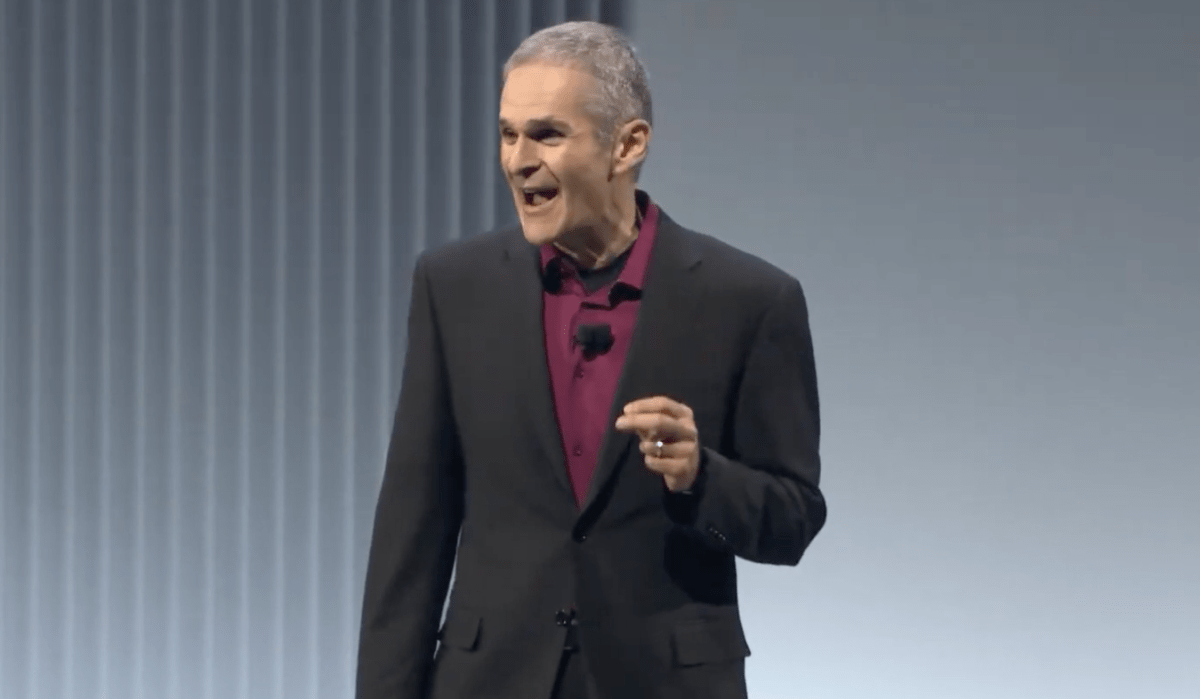
Google announced that Amin Vahdat will assume the newly created position of chief technologist for AI infrastructure, a role that reports directly to CEO Sundar Pichai. The appointment reflects the growing strategic weight of AI compute within Alphabet’s broader capital‑expenditure plan, which targets up to $93 billion in spending by the end of 2025.
Vahdat’s Technical pedigree
Amin Vahdat brings a deep academic and industry background to the role. He holds a PhD from the University of California, Berkeley, and began his career as a research intern at Xerox PARC in the early 1990s. Before joining Google in 2010 as an engineering fellow and vice president, he served as an associate professor at Duke University and later as a professor and chair at the University of California, San Diego.
Key Contributions to Google’s AI Stack
During his tenure, Vahdat has overseen several cornerstone projects that form the backbone of Google’s AI capabilities:
- Ironwood TPU: At Google Cloud Next, he unveiled the seventh‑generation Tensor Processing Unit, dubbed Ironwood. The system integrates more than 9,000 chips per pod and delivers 42.5 exaflops of compute, a figure described as dramatically surpassing the world’s leading supercomputer at the time.
- Jupiter Network: Vahdat helped develop Jupiter, an internal high‑speed network capable of scaling to 13 petabits per second—enough bandwidth, he noted, to theoretically support a video call for every person on Earth simultaneously.
- Borg Cluster Management: He played a pivotal role in advancing Borg, Google’s internal system for orchestrating workloads across its massive data‑center fleet.
- Axion CPUs: Vahdat oversaw the creation of Axion, Google’s first custom Arm‑based general‑purpose CPU designed specifically for data‑center workloads.
Strategic Implications
The promotion signals Google’s intent to retain top AI talent amid an industry‑wide talent war and to ensure continuity in the development of proprietary hardware that gives the company a competitive edge over rivals such as OpenAI. By placing Vahdat at the C‑suite level, Google aims to streamline decision‑making across its AI hardware roadmap and sustain the rapid growth in demand for AI compute.
Looking Ahead
As AI workloads continue to expand exponentially, Google’s investment in custom silicon, high‑speed networking, and advanced cluster management is expected to play a central role in maintaining its leadership position. Vahdat’s new mandate will focus on integrating these technologies, guiding future hardware innovations, and supporting the massive scaling requirements of next‑generation AI models.
Source: techcrunch.com