

Key Points
- Google released Project Genie, an AI tool that creates playable worlds from prompts or images.
- The service costs $249.99 per month and is available to AI Ultra plan subscribers.
- Project Genie’s launch coincided with sharp stock declines for companies like CD Projekt Red, Take Two Interactive, and Nintendo.
- Early users have generated worlds resembling popular franchises such as Zelda, GTA 5, and Kingdom Hearts.
- Gamers and industry analysts warn that AI‑generated content could threaten creativity, jobs, and hardware demand.
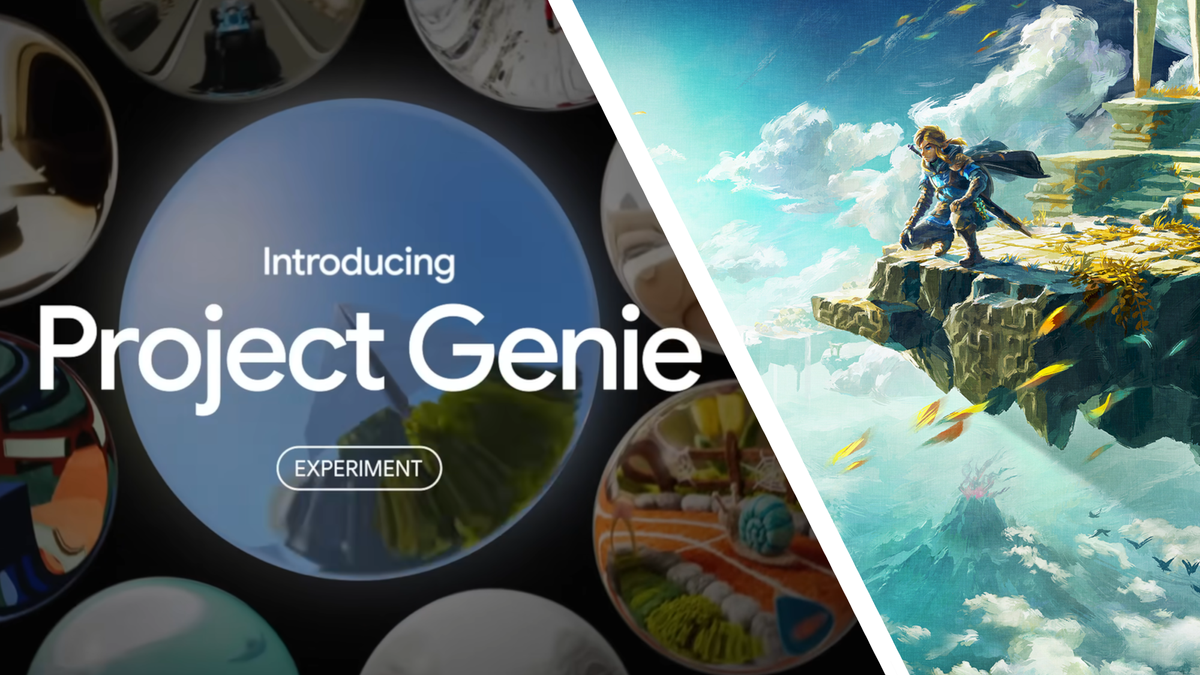
Google Introduces Project Genie
Google unveiled Project Genie, a new artificial‑intelligence service that allows subscribers of its AI Ultra plan to generate playable, interactive worlds based on textual prompts or uploaded images. The tool operates on an experimental basis, rendering environments in real time as the user’s virtual agent explores, without pre‑loading maps into memory. Google markets the service as a way to instantly predict and render paths ahead, enabling theoretically infinite exploration.
High Cost and Early‑Stage Limitations
Project Genie is priced at $249.99 per month for users on the AI Ultra plan. While the cost is steep, the technology remains in a nascent stage; generated worlds are described as “barely playable.” The service is not yet capable of matching the depth and polish of commercially produced games, and its performance varies widely.
Impact on Video‑Game Stocks
Following the launch, analysts observed notable declines in the share prices of several major game developers and publishers. Companies mentioned include CD Projekt Red, Take Two Interactive (the parent of Rockstar Games), and Nintendo. Analysts attribute these drops to investors allocating capital toward Project Genie, anticipating that the AI tool could eventually challenge traditional game development.
User‑Generated Worlds Mimic Popular Franchises
Early adopters have used Project Genie to craft worlds that resemble well‑known titles such as Nintendo’s The Legend of Zelda: Tears of the Kingdom, Rockstar Games’ GTA 5, and Square Enix’s Kingdom Hearts. Some of these AI‑generated environments appear visually similar to the original games in certain areas, sparking both fascination and alarm among observers.
Industry Reaction and Gamer Backlash
The gaming community has expressed strong resistance to the notion of AI‑generated games. Critics cite concerns that such technology could erode creativity, diminish the unique identity of games, and lead to job losses among developers. The article references prior backlash to AI integration in titles like Call of Duty Black Ops 7, suggesting that gamers are unlikely to accept AI‑driven content without significant pushback.
Broader Implications for Hardware and AI Adoption
Beyond the creative realm, the article notes that AI’s rapid rise is influencing hardware markets. Manufacturers of PC components are redirecting attention toward AI enterprises, a factor the author links to rising RAM prices. The convergence of AI demand and hardware scarcity is portrayed as an emerging challenge for both gamers and the broader tech industry.
Outlook and Cautionary Perspective
While acknowledging AI’s benefits—such as Nvidia’s DLSS upscaling technology—the piece frames Project Genie as a potential threat to the gaming ecosystem. The author urges caution, emphasizing that the current iteration is far from supplanting authentic games and warning that unchecked AI adoption could result in a loss of creative diversity and increased layoffs. The article concludes with a call for continued vigilance and resistance against the deployment of AI in ways that could undermine the fundamental nature of gaming.
Source: techradar.com