

Key Points
- Instagram introduces “Your Algorithm,” a tool that reveals and lets users adjust their Reels interests.
- AI‑generated interest list appears in a new tab, showing topics like movies, games, and sports.
- Users can increase or decrease the presence of specific topics with simple sliders.
- Feature launches first in the United States, with plans for broader English‑language rollout.
- Part of Meta’s larger push for transparency and user choice amid regulatory scrutiny.
- Offers more granular controls compared to TikTok’s earlier interest‑adjustment feature.
- Designed to keep younger users engaged by providing deeper personalization options.
- Users can share their customized interest list in Instagram Stories if desired.


Image may contain Computer Hardware Electronics Hardware Mobile Phone and Phone
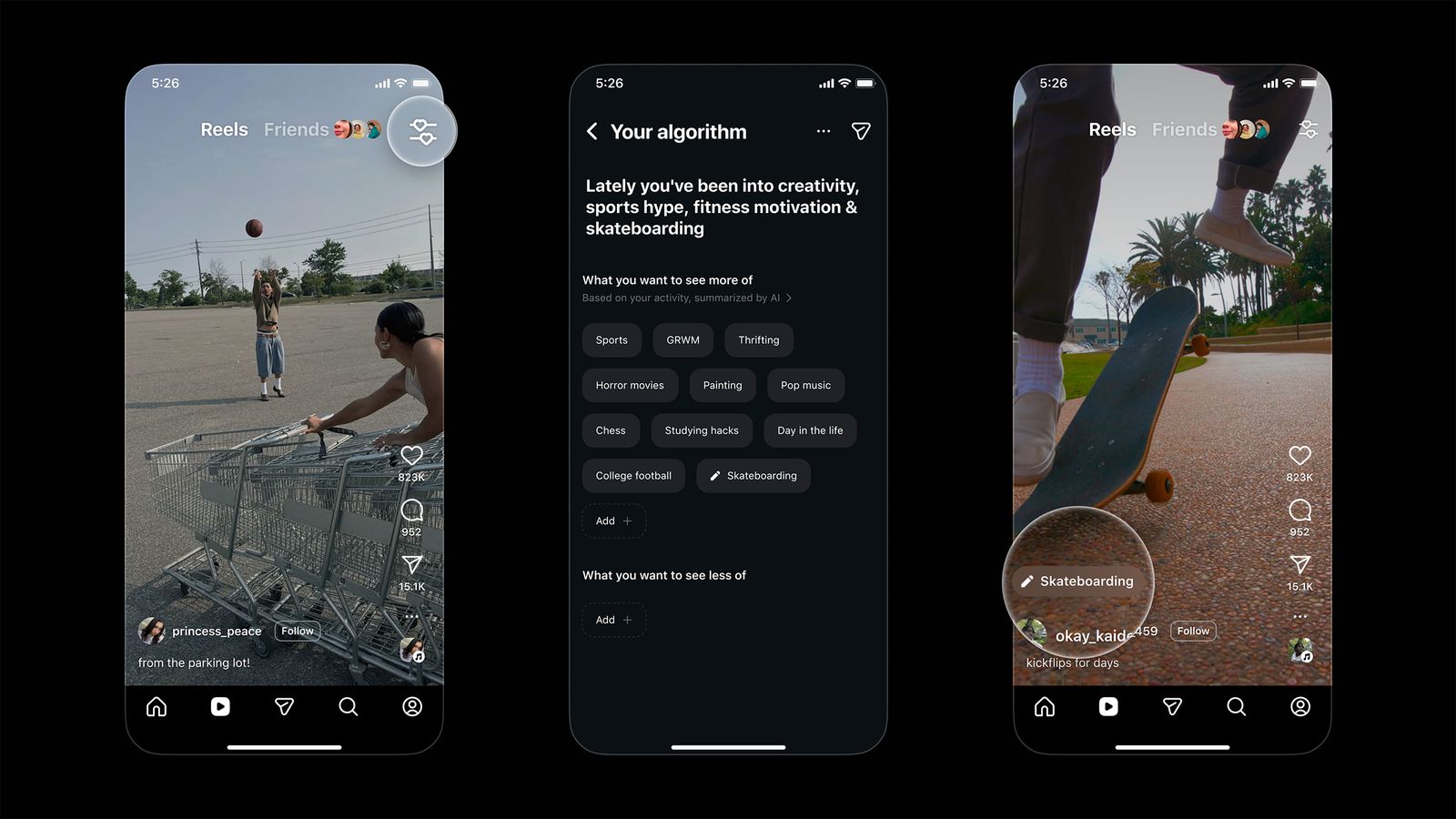
Image may contain Electronics Mobile Phone Phone Person and Text
Introducing ‘Your Algorithm’ on Instagram
Meta has begun deploying a new feature on Instagram called “Your Algorithm,” which gives users a glimpse into the topics the platform believes are driving their Reels recommendations. When users open the new tab, they see a concise list of interests that the system has identified from recent scrolling behavior. These interests are presented in plain language generated by generative AI, such as “Horror movies,” “Chess,” or “College football.”
How the Feature Works
The tool not only shows what the algorithm thinks users are “into” but also allows them to influence future recommendations. Each listed topic includes a control that lets users ask for more or less of that content in their feed. By adjusting these sliders, users can directly shape the algorithmic mix of videos they see, moving beyond the passive experience that has defined short‑form feeds to date.
Rollout Details
“Your Algorithm” is being introduced to Instagram users in the United States first, with a broader rollout planned for English‑language users worldwide. The feature appears as a separate tab within the Reels section, and users can share their customized interest list in a story if they wish, turning personal data into a shareable experience.
Context Within Meta’s Privacy and Transparency Efforts
This launch arrives alongside other Meta initiatives aimed at giving users more control over data and advertising. In Europe, the company is preparing to offer choices about data usage for personalized ads, responding to regulatory pressures such as the Digital Markets Act. While Instagram already provides a paid ad‑free option, the new algorithm transparency tool adds another layer of user agency.
Comparison to TikTok’s Controls
Instagram’s move mirrors a similar feature TikTok introduced last year, which listed broad interest categories like “Current Affairs” or “Travel” with sliders for users to adjust. However, Meta’s implementation is described as offering more granular controls, allowing users to fine‑tune specific topics rather than broad categories. Both platforms are responding to user complaints that algorithmic feeds often prioritize viral or mainstream content at the expense of niche interests.
Strategic Implications
By giving users a clearer view of why certain Reels appear and letting them steer the algorithm, Instagram hopes to retain the attention of younger audiences who value personalization. The feature is part of a series of updates, including a “Friends” tab that reveals friends’ liked videos and an opt‑in location‑sharing map, all designed to deepen engagement and differentiate Instagram from competitors.
Early Reception
Early reactions highlight both curiosity and enthusiasm. Users appreciate the transparency and the ability to share their interest list, while some see the feature as an extension of the platform’s data collection. Nonetheless, the addition of direct controls is viewed as a positive step toward empowering users in an environment dominated by opaque recommendation engines.
Source: wired.com