

Key Points
- James Cameron called AI‑generated actors “horrifying” in a recent interview.
- Tilly Norward, an AI‑generated actress created by Particle6, was unveiled at the Zurich Film Festival.
- SAG‑AFTRA condemned the technology as a synthetic imitation built on stolen work.
- Cameron differentiates motion‑capture, which uses human performers, from generative AI that creates performances without humans.
- The debate centers on artistic integrity, actor rights, and the future role of synthetic talent in film.
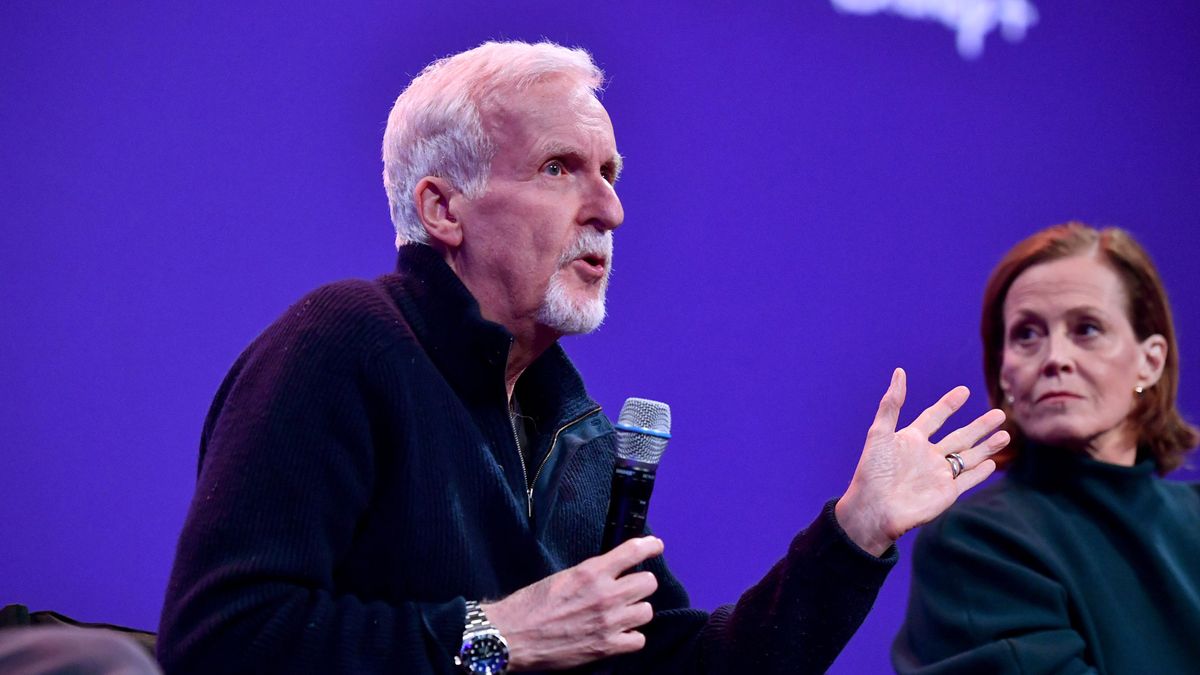
James Cameron’s Stance on AI‑Generated Performers
Renowned filmmaker James Cameron recently described AI‑generated actors as “horrifying.” In an interview, Cameron contrasted his longtime use of motion‑capture and computer‑generated imagery (CGI) with the emerging ability of generative AI to create entire characters, performances, and even actors from a simple text prompt. He emphasized that while motion‑capture still depends on a human performer’s movements and expressions, generative AI can fabricate a performance without any human involvement, a prospect he finds unsettling.
The Rise of Tilly Norwood
The controversy intensified after the introduction of Tilly Norwood, a photorealistic, AI‑generated actress developed by Particle6. Norwood was unveiled at the Zurich Film Festival, where she appeared solely as a digital mock‑up rather than a live‑action performer. Although she has not yet starred in a film, her existence has sparked intense debate within the entertainment community about the future role of synthetic talent.
Industry Reaction and Union Concerns
The Screen Actors Guild‑American Federation of Television and Radio Artists (SAG‑AFTRA) issued a strong statement condemning the technology. The union labeled the AI‑generated actor a “synthetic imitation” created using the stolen work of real performers. Their criticism underscores fears that AI could undermine the rights, compensation, and creative contributions of human actors.
Cameron’s Perspective on Technology in Filmmaking
Despite his reputation as a technological innovator—having blended human actors with advanced CGI in films such as “The Terminator” and “Avatar”—Cameron makes a clear distinction. He argues that motion‑capture preserves the human core of a performance, whereas generative AI removes that core entirely. The director’s warning reflects a broader industry anxiety about maintaining the emotional connection between audiences and the actors on screen.
Implications for the Future of Film
Proponents of AI actors point to potential efficiencies, such as reusing a scanned performer indefinitely or negotiating perpetual rights to a digital likeness. Critics, however, question the artistic and ethical ramifications of removing the human element from storytelling. As AI technology advances, the debate is likely to intensify, with stakeholders weighing cost savings against the preservation of authentic human expression.
Conclusion
James Cameron’s outspoken criticism adds a high‑profile voice to the growing discourse on AI in entertainment. While the technology promises new creative possibilities, the director, unions, and many industry professionals caution that the heart of cinema—human performance—should remain central. The outcome of this debate will shape how films are made and experienced in the years to come.
Source: techradar.com