

Key Points
- Merge Labs is being spun out of the nonprofit Forest Neurotech.
- Co‑founders include Sam Altman, Sumner Norman, Tyson Aflalo, and other tech leaders.
- The startup will develop a brain‑computer interface that uses ultrasound to read brain activity.
- Ultrasound technology offers a non‑invasive, whole‑brain approach, differing from implant‑based rivals.
- Forest Neurotech originated from the Convergent Research incubator with backing from notable philanthropists.
- An early safety study is underway in the United Kingdom, supported by a national research agency.
- Merge Labs aims to combine ultrasound hardware with gene‑therapy techniques for enhanced responsiveness.
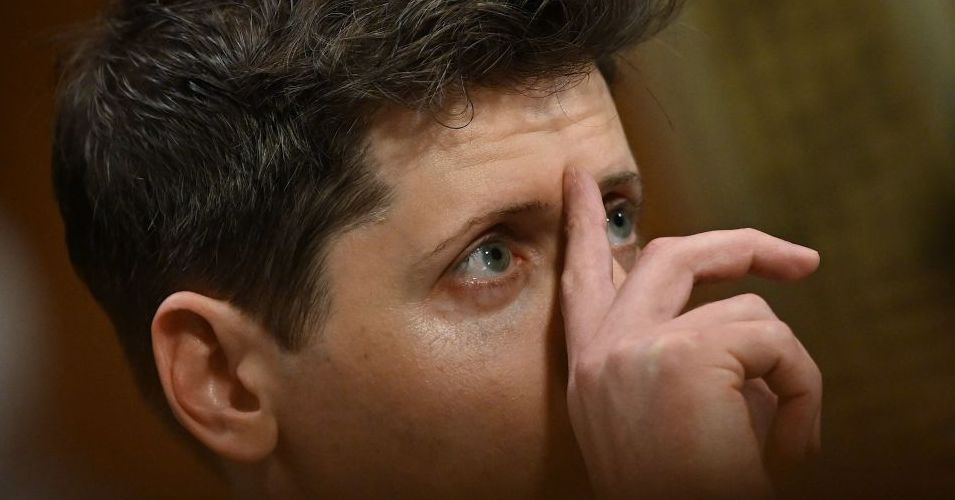
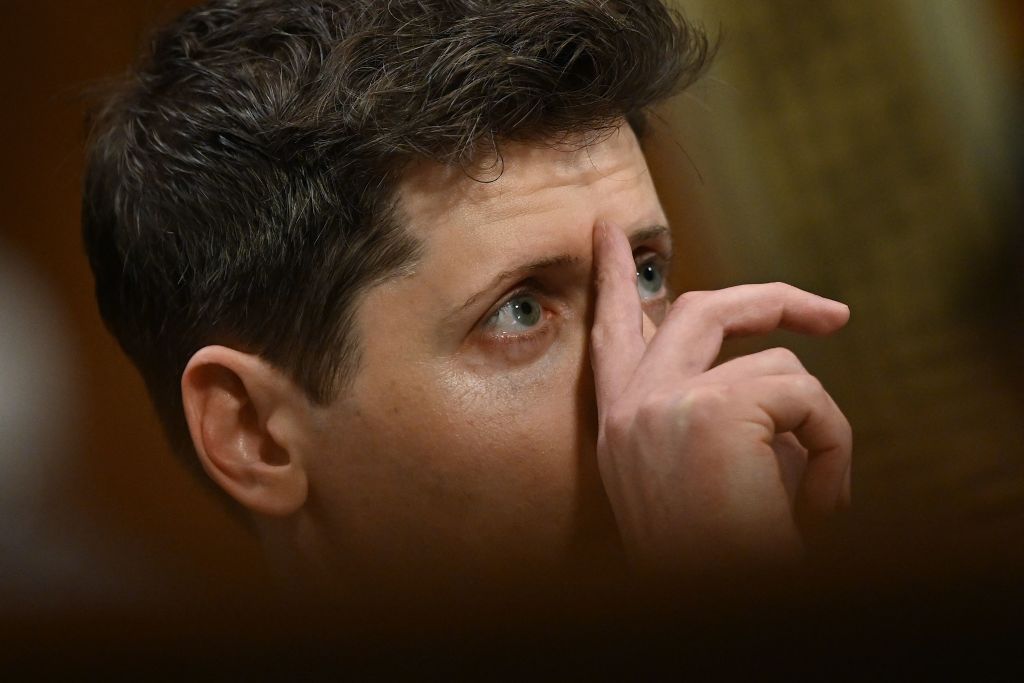
Image may contain Sam Altman Head Person Adult Face Photography Portrait Body Part Finger Hand and Contact Lens
Merge Labs Emerges from Forest Neurotech
Merge Labs, a stealth‑mode brain‑computer interface (BCI) startup, is being spun out of Forest Neurotech, a Los Angeles‑based nonprofit focused on ultrasound‑based neural technologies. The spin‑out was confirmed by sources with direct knowledge of the plans. Co‑founders include OpenAI CEO Sam Altman, Forest Neurotech CEO Sumner Norman, chief scientific officer Tyson Aflalo, and other technology leaders.
Leadership and Expertise
Norman earned his PhD in neural engineering at Caltech and has worked closely with Caltech researcher Mikhail Shapiro, who serves as an adviser to Forest Neurotech. Aflalo previously directed Caltech’s T&C Chen Brain‑Machine Interface Center. Altman’s involvement adds high‑profile visibility, though he is not personally investing capital.
Ultrasound‑Based Interface Strategy
Forest Neurotech’s core technology interprets brain activity indirectly by using ultrasound to detect changes in blood flow, rather than measuring electrical signals directly from neurons. This approach could provide whole‑brain access, offering a broader view of neural activity compared to implant‑based systems that target specific regions. The device, miniaturized from a standard ultrasound machine, also aims to deliver focused sound‑wave stimulation, with potential applications in treating mental‑health disorders and brain injury.
Position Within the BCI Landscape
Merge Labs joins a growing list of companies—including Elon Musk’s Neuralink—pursuing commercial BCI solutions. While Neuralink and similar firms rely on invasive implants, Merge’s ultrasound method aspires to be less invasive, possibly requiring only a skull “window” rather than full implantation. The company is exploring combinations of ultrasound hardware with gene‑therapy techniques to enhance cellular responsiveness to sound waves.
Funding and Development Outlook
Forest Neurotech originated in 2023 from the philanthropic incubator Convergent Research, which receives support from notable donors such as former Google CEO Eric Schmidt, his wife Wendy Schmidt, and hedge‑fund manager Ken Griffin. The nonprofit is currently conducting an early safety study in the United Kingdom, backed by the country’s Advanced Research and Invention Agency.
Future Implications
If successful, Merge Labs’ technology could enable personalized neurological treatments and sophisticated assistive or augmentation capabilities. By providing a non‑invasive, whole‑brain interface, the venture may open new pathways for both therapeutic and enhancement applications, positioning it as a distinctive player in the rapidly evolving BCI market.
Source: wired.com