

Key Points
- Clawdbot, an open‑source AI assistant, went viral and quickly rebranded as Moltbot after a trademark warning from Anthropic.
- The tool integrates into popular messaging apps, offering persistent memory, proactive alerts, and real‑time automation.
- Social‑media bots squatted the original @clawdbot handle and posted a crypto wallet address, while a mistaken GitHub rename exposed the founder’s personal account.
- Fake profiles promoted a fraudulent $CLAWD token, which briefly inflated before collapsing.
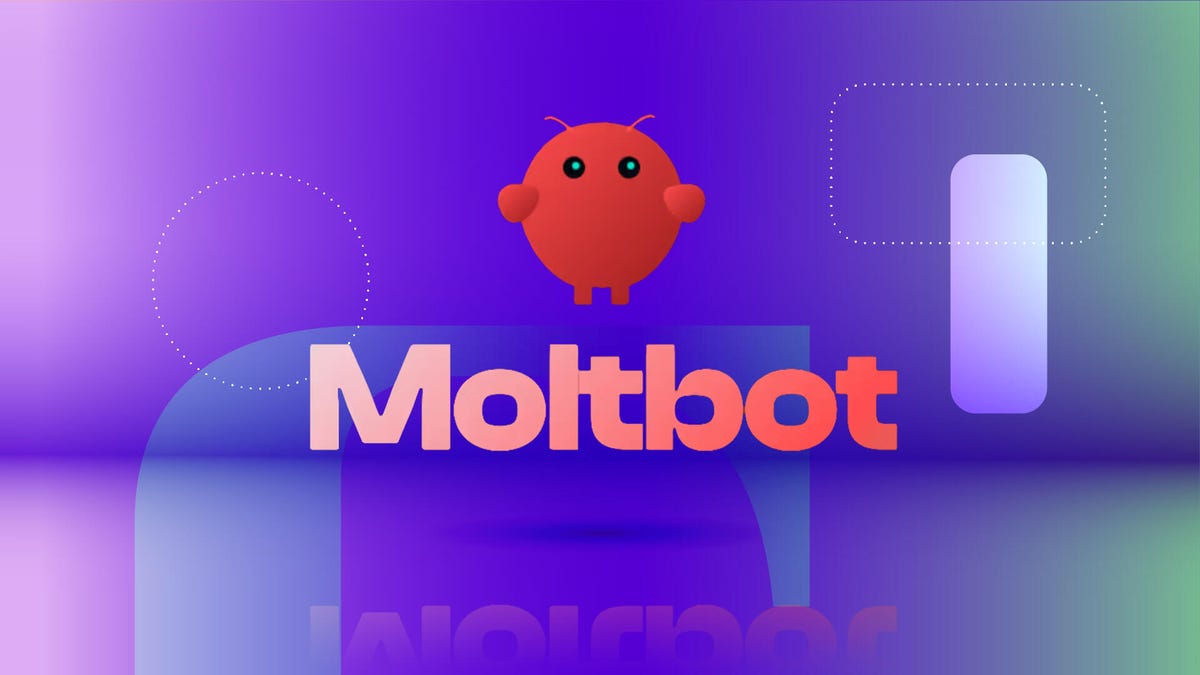
- An AI‑generated mascot redesign produced a lobster with a human face, sparking a meme wave.
- Moltbot has attracted praise from AI researchers, investors, and tech journalists as a glimpse of future personal assistants.
- The project remains community‑driven, lacking enterprise‑level support and requiring users to handle installation and security themselves.
- Documentation and a security checklist are available on molt.bot for those who wish to experiment.
Viral Launch and Rapid Rebranding
Within days of its debut, the open‑source AI assistant known as Clawdbot captured massive attention on GitHub, amassing thousands of stars in a single day. The tool promises more than chat—it can act directly on a user’s computer, automating tasks through familiar messaging platforms such as WhatsApp, iMessage, Slack, and Discord. Founder Peter Steinberger, an Austrian developer who previously sold PSPDFKit for a substantial sum, positioned the assistant as a practical evolution of what many envision Siri could become.
Trademark Conflict and Name Change
Anthropic, the company behind the Claude model, contacted Steinberger to point out that “Clawdbot” closely resembled its own trademark. Following the request, Steinberger announced a swift rebrand to “Moltbot,” a name that references the molting process lobsters undergo to grow. The change triggered a rapid scramble on social platforms, with bots snatching the @clawdbot handle and posting a cryptocurrency wallet address, while a mistaken personal GitHub rename exposed the creator’s account to further exploitation.
Scams, Squatters, and a Handsome Mascot
Fake profiles claiming senior roles at the project surfaced, promoting a fraudulent $CLAWD token that briefly inflated before collapsing. Steinberger publicly denounced any association with the scam, urging followers to disregard the impersonators. Meanwhile, an AI‑generated redesign of the mascot produced a surreal image of a lobster with a human face, sparking a meme wave reminiscent of internet “handsome” characters.
Core Features and User Appeal
Moltbot distinguishes itself by offering persistent memory across weeks, proactive notifications that deliver daily briefings or deadline reminders without prompting, and real‑time automation that can schedule tasks, fill forms, organize files, and interact with smart‑home devices. Because it operates inside the messaging apps users already frequent, it feels less like separate software and more like an integrated personal assistant.
Community Reception and Limitations
The project has drawn praise from AI researchers, investors, and tech journalists, who label it a glimpse of the future for personal AI assistants. However, Steinberger acknowledges that Moltbot is not an enterprise‑grade product; it lacks formal vendor support, compliance documentation, and a polished installation experience. Users must be comfortable with open‑source setups, security considerations, and potential technical hurdles.
Looking Ahead
Despite the turbulence—trademark disputes, bot attacks, and scam fallout—Moltbot remains active, with GitHub stars continuing to rise and community discussions thriving on Discord. The episode underscores how rapid viral success can attract both enthusiastic adopters and malicious actors, prompting the project’s maintainers to strengthen authentication and security practices. Those interested in experimenting can find documentation and a security checklist on molt.bot, though the recommendation is to try it on a spare device and avoid naming conflicts with existing trademarks.
Source: cnet.com