
Key Points
- Elon Musk announced that SpaceX’s acquisition of xAI will enable the cheapest AI compute to be run in space within 2 to 3 years.
- Space offers continuous solar power, no water bills, and a cold environment that aids thermal management.
- Google and Amazon have reportedly explored space‑based AI processing in early design stages.
- Launching and hardening a full data‑center payload for orbit is expensive and technically complex.
- Maintenance in space would rely on robotic servicing or extensive redundancy, unlike easy component swaps on Earth.
- Radiation, solar flares and the Van Allen belts present significant hardware durability challenges.
- A dense network of compute satellites could increase space‑debris risk and attract regulatory scrutiny.
- Experts argue that a realistic timeline for operational orbiting AI data centers is measured in decades, not years.
Elon Musk’s bold claim
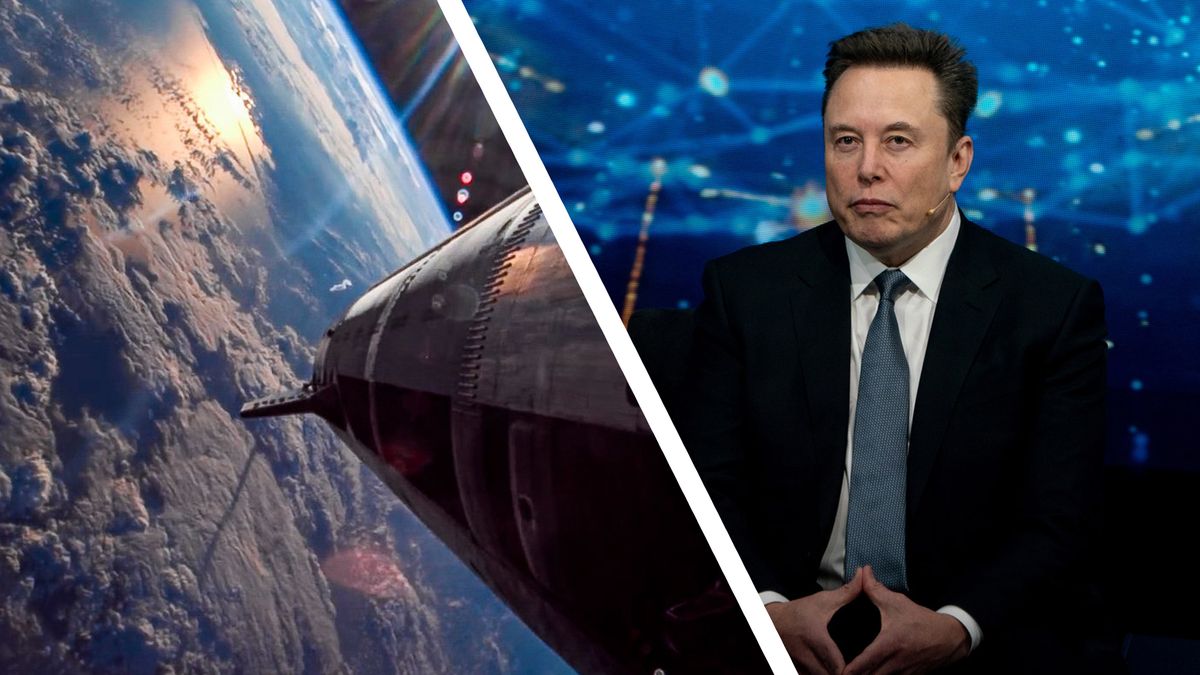
During the announcement of SpaceX’s purchase of his AI firm xAI, Elon Musk asserted that the cheapest way to generate AI compute would soon be in space. He wrote, “My estimate is that within 2 to 3 years, the lowest cost way to generate AI compute will be in space.” Musk emphasized that the cost advantage would let innovative companies train models faster and accelerate breakthroughs in physics and technology.
Why space looks attractive
The appeal of orbiting data centers stems from several factors highlighted by Musk and other commentators. Space offers continuous solar radiation, no water bills, and a cold environment that aids thermal dissipation. In addition, there are no zoning restrictions, eliminating many political and utility‑related battles that terrestrial data centers face.
Industry interest beyond Musk
Other AI developers have also been exploring the prospect, with both Google and Amazon reportedly in early design discussions about space‑based AI processing. The idea reflects a broader search for power‑intensive compute solutions that can escape Earth‑bound limitations.
Technical and logistical challenges
Experts caution that the timeline Musk proposes is far shorter than realistic. Launching a full data‑center‑scale payload requires rockets that can deliver massive mass to orbit, and each launch remains expensive. Equipment would need radiation shielding, thermal management, fault tolerance and redundancy—features that dramatically increase cost and complexity.
Maintenance poses another obstacle. Terrestrial centers replace failed GPUs routinely; in orbit, repairs would rely on robotic servicing or extensive redundancy, both of which are costly and unproven at scale. Moreover, space exposes hardware to cosmic rays, solar flares and the harsh environment of the Van Allen belts, conditions for which most GPUs are not designed.
Regulatory and environmental concerns
Deploying thousands of compute satellites into low‑Earth orbit could exacerbate space‑debris risks. A dense network of AI satellites might trigger a cascade of collisions, raising significant regulatory and environmental backlash. SpaceX already dominates orbital traffic, and adding a second orbital network could intensify scrutiny.
Long‑term outlook
While the physics of using solar power and the vacuum of space for compute are not impossible, the engineering challenges translate to a timeline measured in decades rather than years. A functional AI data center in orbit within three years is deemed “not serious” by analysts, who suggest that realistic deployment may not occur until a decade or more into the future.
Conclusion
Musk’s vision of cheap, space‑based AI compute captures public imagination, but the consensus among engineers and industry observers is that substantial technical, financial and regulatory hurdles remain. The concept may become viable as a long‑term strategy, yet the near‑term expectations set by Musk appear overly optimistic.
Source: techradar.com