

Key Points
- OpenAI declares a “code red” for ChatGPT to prioritize core improvements.
- Work on advertising, AI shopping agents and the Pulse assistant is paused.
- Focus shifts to speed, reliability and personalized user experience.
- Google’s Gemini app now exceeds 650 million monthly users, intensifying competition.
- ChatGPT remains the most popular chatbot with over 800 million monthly users.
- User feedback on newer model versions has driven the refocus on quality.
- Safety features such as distress detection and parental controls continue to be expanded.
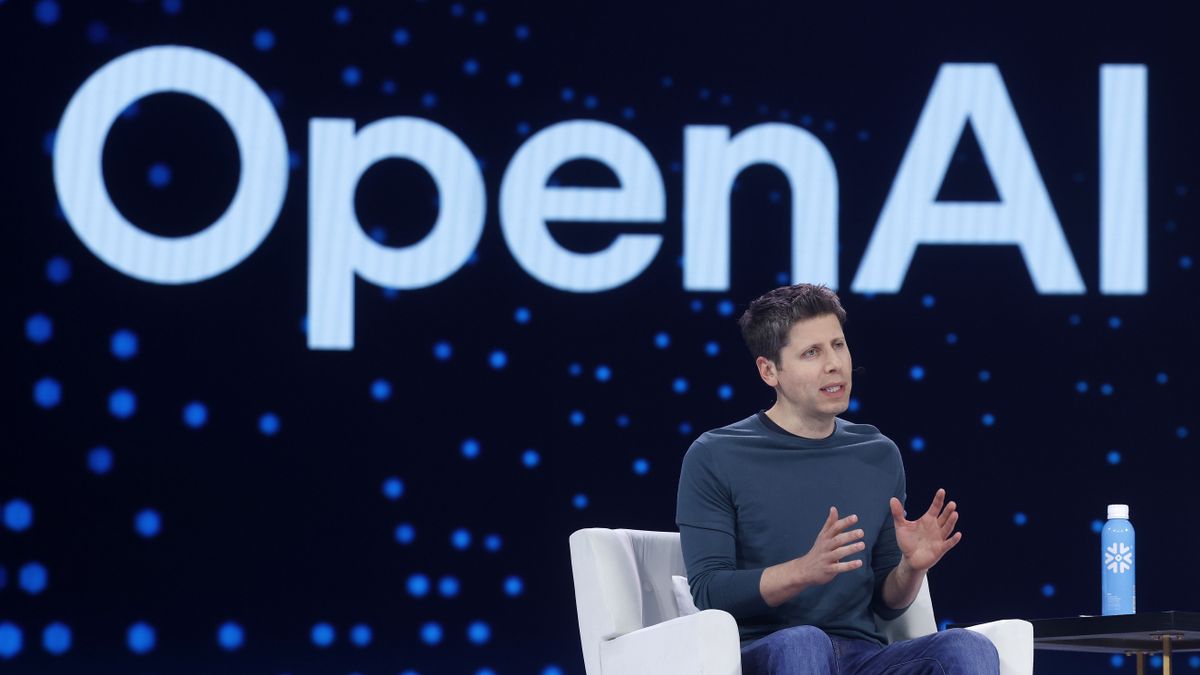

Sam Altman

Sundar Pichai
OpenAI’s Code Red Decision
OpenAI chief executive Sam Altman sent an internal memo labeling the current state of ChatGPT as a “code red” situation. The memo calls for a renewed emphasis on improving the chatbot’s everyday performance, including speed, reliability and personalized user interactions.
Shift in Development Priorities
To achieve these goals, OpenAI will pause work on several side projects, including advertising efforts, AI shopping agents and the Pulse personal assistant. Staff will be redirected to focus on enhancing the core ChatGPT experience. The company’s VP and head of ChatGPT, Nick Turley, confirmed the new direction, emphasizing continued growth, global access and a more intuitive feel for the service.
Competitive Landscape
The strategic shift follows heightened competition from rivals. Google’s Gemini app has reached a user base of over 650 million monthly users, narrowing the gap with OpenAI’s flagship chatbot, which remains the world’s most popular with over 800 million monthly users. Other challengers such as Meta, DeepSeek and emerging AI models also contribute to a crowded market.
User Experience and Safety Focus
OpenAI’s renewed focus aims to address recent user frustrations, including feedback that newer versions of the model felt “flat and robotic” compared to earlier releases. Enhancements are expected to improve the overall usability and security of ChatGPT, reducing the likelihood of intrusive ads or unwanted shopping prompts. The company also continues to develop safety features, such as distress detection and parental controls, to protect users.
Implications for the Future
By prioritizing core functionality over experimental features and immediate monetization, OpenAI signals a belief that long‑term success will stem from a dependable, high‑quality product. The move places pressure on competitors to match not only on innovation but also on reliability and user trust.
Source: techradar.com