
Key Points
- OpenAI launches ChatGPT Health, a dedicated health section within the ChatGPT app.
- Users can securely link medical records and wellness apps such as Apple Health, MyFitnessPal, and Peloton.
- The tool is designed to support, not replace, professional medical care.
- More than 260 physicians across 60 countries helped shape the system’s responses.
- Layered encryption and data isolation keep health conversations separate from other chats.
- Conversations in the Health section are not used to train OpenAI’s foundation models.
- Access is currently limited to a waitlist for eligible Free, Go, Plus, and Pro users.
- OpenAI plans to broaden availability to all web and iOS users in the coming weeks.
OpenAI Expands ChatGPT Into a Dedicated Health Space
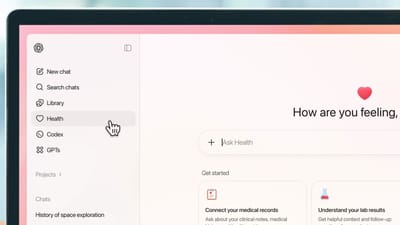
OpenAI announced a new feature called ChatGPT Health, a dedicated area inside the ChatGPT app that focuses on health‑related conversations. While users have long asked medical questions of the general chatbot, this new space is built specifically for those topics, providing a more structured and secure experience.
Personalized Support Through Secure Data Integration
The centerpiece of ChatGPT Health is its ability to let users securely connect personal health data. Users may upload medical records and link wellness apps such as Apple Health, MyFitnessPal, and Peloton. When a user asks a question, the AI can draw on that personal information to generate responses that are tailored to the individual’s health profile. OpenAI stresses that users retain full control: the first connection prompts an explanation of what data will be accessed, and users can disconnect an app at any time, instantly revoking access.
Collaboration With Medical Professionals
OpenAI worked with more than 260 physicians across 60 countries and dozens of specialties to shape how the tool responds. These experts helped define when the system should suggest a follow‑up with a clinician and how to communicate complex medical information clearly without oversimplifying.
AI as a Support Tool, Not a Replacement
OpenAI is clear that ChatGPT Health is intended to support medical care, not replace it. The company states the tool is not meant for diagnosis or treatment. Instead, it aims to help users navigate everyday health questions, understand test results, and feel more prepared for conversations with their doctors.
Robust Privacy and Security Measures
Given the sensitivity of health data, OpenAI built layered protections on top of its existing security architecture. All conversations and files are encrypted at rest and in transit. For health‑specific interactions, purpose‑built encryption and isolation keep data compartmentalized, and conversations in the Health section are not used to train OpenAI’s foundational models. Users also have the ability to delete chats from OpenAI’s systems within 30 days.
Access and Availability
ChatGPT Health is not yet widely available. Interested users must join a waitlist, and the feature is currently open to Free, Go, Plus, and Pro plan subscribers outside the European Economic Area, Switzerland, and the United Kingdom. OpenAI plans to expand access to all users on web and iOS in the coming weeks.
Implications for the Future of Healthcare
The launch signals a growing role for artificial intelligence in personal health management. With millions already turning to ChatGPT for medical guidance, the dedicated Health space offers a more secure and personalized avenue for users to explore health information while emphasizing the importance of professional medical oversight.
Source: techradar.com