
Key Points
- OpenAI releases GPT-Image Model 1.5, four times faster than the previous version.
- The model improves instruction compliance and generates more legible text in images.
- New editing tools let users add objects, change styles, and remove elements.
- Available to all ChatGPT users via a dedicated sidebar space and through the API.
- Launch follows Google’s Gemini 3 release, prompting an internal “code red” at OpenAI.
- OpenAI’s recent Disney deal will eventually allow iconic characters in future images and videos.
- Industry debates continue over AI‑generated content, copyright, and ethical use.
Overview of the New Model
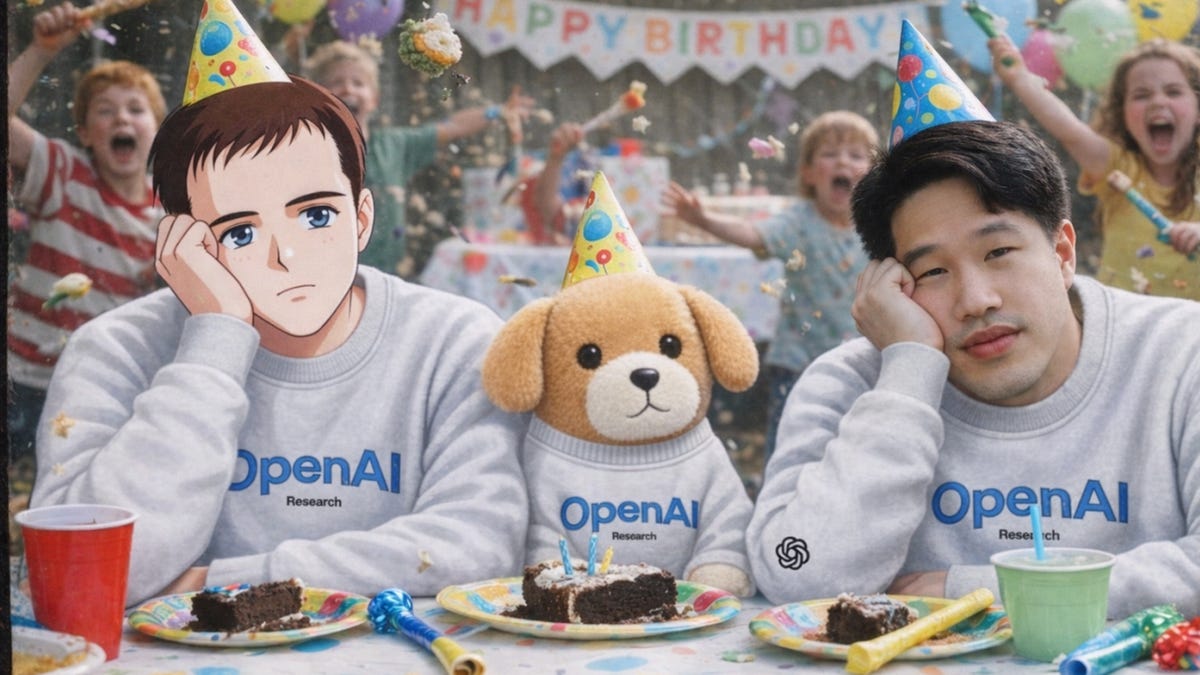
OpenAI announced the rollout of GPT-Image Model 1.5, the latest version of its generative image technology. According to the company, the model delivers a speed increase of four times compared with the earlier version, while also providing more precise adherence to user prompts. A notable focus of the upgrade is the ability to generate legible text within images—a task that has historically challenged AI image generators.
Features and User Access
The new model introduces a suite of editing tools that let users add specific objects, alter styles, try on clothing items, and remove unwanted elements from generated visuals. These capabilities are integrated into a new dedicated space in the ChatGPT interface, located in the sidebar and designed specifically for visual creation. The model is available globally to all ChatGPT users and can also be accessed via the API under the identifier GPT-Image-1.5.
Industry Context and Reactions
GPT-Image Model 1.5 arrives at a time of intense rivalry in the generative AI space. OpenAI’s release follows Google’s introduction of Gemini 3, which includes the “nano banana pro” tool praised for hyper‑realistic images and improved text rendering. OpenAI reportedly initiated an internal “code red” in response to Google’s advancements, underscoring the competitive pressure.
In parallel, OpenAI recently secured an agreement with Disney to eventually bring more than 200 iconic Disney characters into its image and video platforms, though the characters will not be usable with the new model until a later date. The Disney partnership reflects a broader trend of entertainment companies negotiating terms for AI usage of their intellectual property.
Stakeholders in the AI community have expressed mixed reactions. While the speed and quality improvements are welcomed by creators seeking faster, more reliable image generation, concerns persist about the ethical and legal implications of AI‑generated content, especially regarding copyright and the use of human likenesses. OpenAI’s ongoing efforts to expand its model capabilities occur alongside industry debates about licensing, litigation, and the balance between innovation and protection of creative works.
Source: cnet.com