

Key Points
- OpenAI began testing ads in ChatGPT for free and $8‑per‑month “Go” users.
- A senior researcher resigned the same day the ad testing started.
- The researcher warned that ads could jeopardize user privacy and trust.
- She compared the move to early missteps by a major social media platform.
- Ads are said to be clearly labeled and not influence chatbot answers.
- Paid tiers (Plus, Pro, Business, Enterprise, Education) remain ad‑free.
- The resignation adds to ongoing debate over AI monetization and ethics.
Background
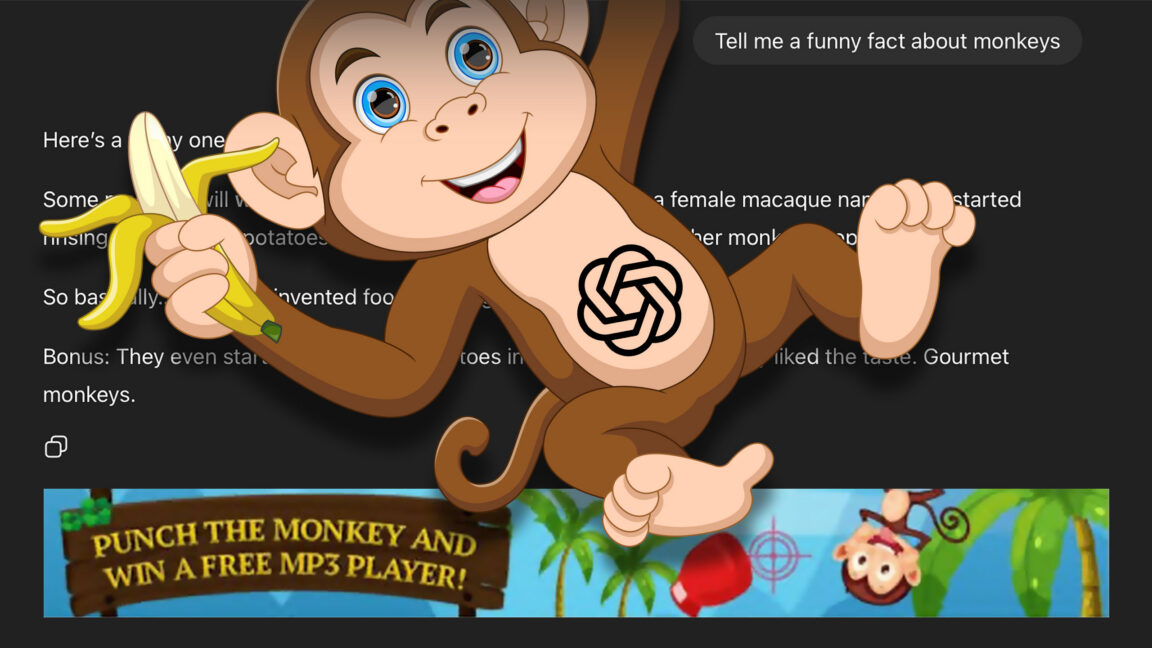
OpenAI recently disclosed plans to test advertisements within its ChatGPT interface for users on its free tier and the $8‑per‑month “Go” subscription. The company said ads would appear at the bottom of responses, be clearly labeled, and would not affect the chatbot’s answers. Paid tiers such as Plus, Pro, Business, Enterprise and Education would remain ad‑free.
Resignation Announcement
On a Wednesday, a former OpenAI researcher published a guest essay in a major newspaper announcing that she resigned the previous Monday, the same day the company began testing ads. The researcher, an economist and published poet who holds a junior fellowship at the Harvard Society of Fellows, spent two years at OpenAI shaping model development and pricing strategies.
Reasons for Leaving
In her essay, she expressed that OpenAI’s advertising strategy risks repeating mistakes made by a major social media platform a decade ago. She emphasized that users share deeply personal information—medical concerns, relationship issues, and religious beliefs—because they believe they are interacting with a system without ulterior motives. She described this collection of personal disclosures as “an archive of human candor that has no precedent.”
The researcher did not label advertising itself as immoral, but argued that the nature of the data at stake makes ChatGPT ads especially risky. She drew a direct parallel to the early history of the social media platform, noting that promises of user control over data and policy voting eroded over time, eventually leading to regulatory scrutiny.
Warnings About Future Trajectory
She warned that the initial rollout of ads might follow the company’s stated principles, but expressed concern that subsequent iterations could deviate as economic incentives grow. She cautioned that the company is building an economic engine that could create strong incentives to override its own rules.
Industry Context
The resignation adds another voice to a broader debate over the commercialization of AI chatbots. Critics argue that introducing ads could undermine user trust and compromise the privacy of sensitive disclosures. Supporters contend that advertising could help fund continued research and keep basic tiers free for a wide audience.
Implications
The departure of a senior researcher highlights internal tensions within OpenAI regarding the balance between monetization and ethical stewardship of user data. As the company moves forward with ad testing, the conversation about how AI platforms handle personal information and maintain user trust is likely to intensify.
Source: arstechnica.com