

Key Points
- Reliance Industries commits ₹10 trillion (about $110 billion) to AI infrastructure over seven years.
- Plan includes gigawatt‑scale data centers and a nationwide edge‑computing network.
- More than 120 megawatts of capacity expected to be online by the second half of 2026.
- Infrastructure will be powered by roughly 10 gigawatts of surplus renewable energy.
- AI services will be integrated with Jio and offered in multiple Indian languages.
- Partnerships will involve Indian enterprises, startups, and academic institutions.
- Project aims to lower AI compute costs, addressing a key barrier to adoption.
- Reliance’s effort follows similar AI investments by Adani Group and global firms.
Overview
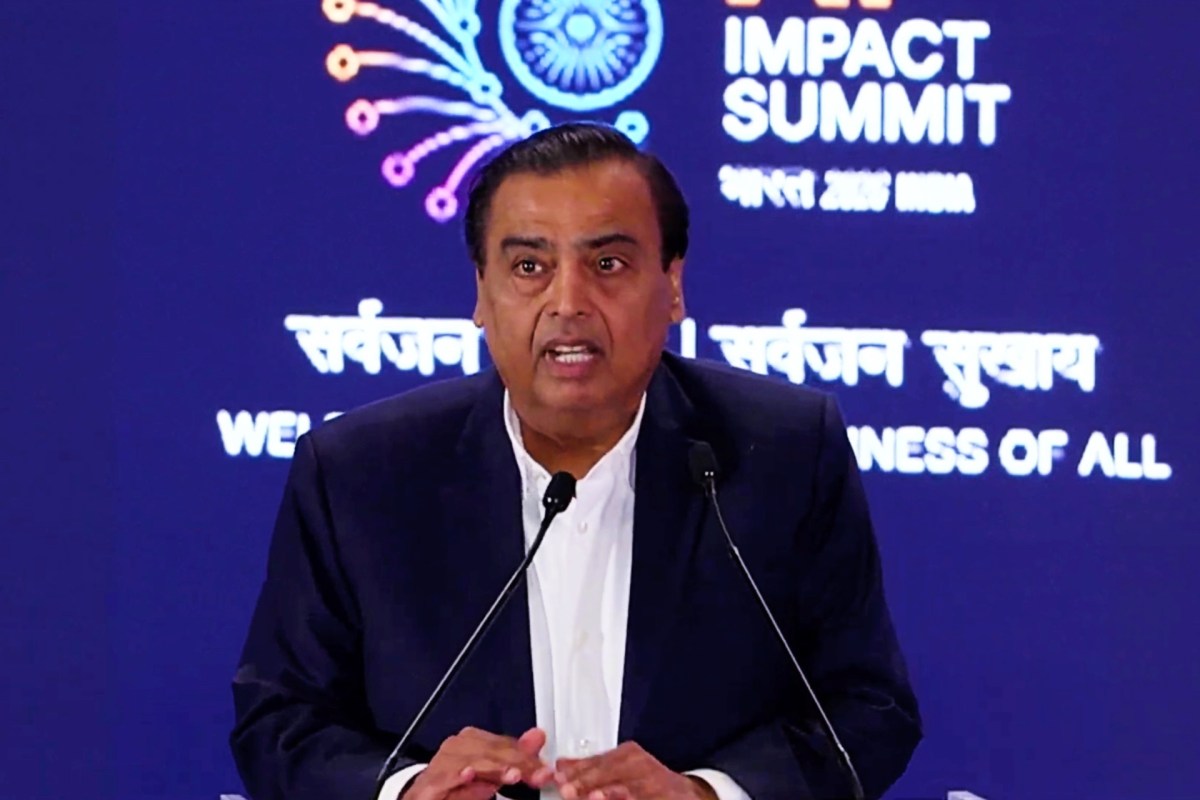
At the India AI Impact Summit in New Delhi, Mukesh Ambani, the billionaire chairperson of Reliance Industries, announced a massive investment of ₹10 trillion (approximately $110 billion) to develop artificial‑intelligence computing infrastructure throughout India. The plan, spanning the next seven years, is positioned as a cornerstone of India’s push for technological self‑reliance, emphasizing that the country “cannot afford to rent intelligence.”
Infrastructure Plans
Reliance’s roadmap calls for the construction of gigawatt‑scale data centers and a nationwide edge‑computing network. Multi‑gigawatt facilities are already under construction in Jamnagar, Gujarat, with more than 120 megawatts of capacity slated to become operational in the second half of 2026. The company also intends to leverage its green‑energy assets, which include about 10 gigawatts of surplus power from solar projects in Gujarat and Andhra Pradesh, to power the AI infrastructure.
Integration with Jio and Partnerships
The AI services will be tightly integrated with Reliance’s Jio telecom platform, building on existing collaborations such as Jio’s partnership with Google to provide free Gemini AI Pro access to millions of Indian users. Reliance plans to work with Indian enterprises, startups, and academic institutions to embed AI solutions in sectors ranging from manufacturing and logistics to agriculture, healthcare, and financial services. Additionally, the company aims to develop AI capabilities in several Indian languages to encourage broader adoption.
Competitive Landscape
Reliance’s announcement adds to a wave of AI investment in India, joining efforts by the Adani Group, which outlined a comparable multi‑billion‑dollar AI data‑center plan, and by global tech firms such as OpenAI, which is partnering with the Tata Group to develop AI capacity in the country. The combined momentum reflects a growing expectation that AI infrastructure will become one of India’s largest technology opportunities.
Strategic Implications
By coupling AI compute with its extensive renewable‑energy portfolio, Reliance seeks to reduce the cost of AI services dramatically, mirroring its earlier success in lowering mobile data prices. Ambani highlighted that the biggest constraint in AI today is the scarcity and high cost of compute, not talent or imagination. The initiative is therefore framed as a strategic move to make AI more affordable and accessible across the Indian economy.
Source: techcrunch.com