

Key Points
- Elon Musk and other tech leaders are pursuing orbital AI data centers using large satellite constellations.
- Current cost estimates place a 1 GW space‑based data center at about $42.4 billion, far above terrestrial equivalents.
- Launch costs need to drop from roughly $3,600/kg to near $200/kg for the model to become viable.
- Satellite manufacturing, thermal management, radiation protection, and solar‑panel degradation are major technical challenges.
- Inference workloads may be feasible in space, but training large AI models faces bandwidth and coordination limits.
- Significant advances in launch economics, satellite production, and component durability are required before orbital AI can compete.
Background
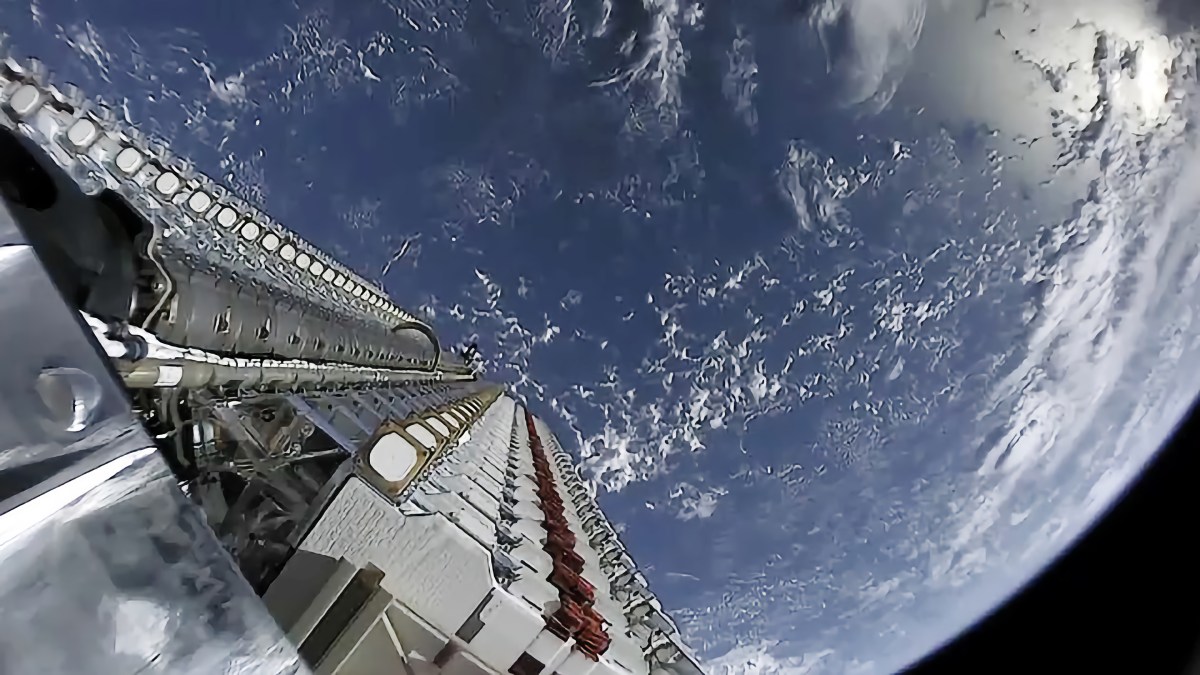
Tech visionaries, including Elon Musk, have long discussed the idea of placing artificial‑intelligence compute in space. Recent regulatory requests from SpaceX aim to create solar‑powered data‑center satellites, potentially numbering up to a million, with the goal of moving large amounts of compute off Earth. Other companies such as Google’s Project Suncatcher and the startup Starcloud have also filed plans for satellite constellations that could support AI workloads.
Cost Challenges
Initial calculations indicate that an orbital data center is far more expensive than a comparable terrestrial facility. For example, a 1 GW orbital data center is estimated to cost roughly $42.4 billion, nearly three times the cost of a ground‑based counterpart. The primary driver of this disparity is the up‑front expense of building and launching satellites. Current launch costs, such as the Falcon 9 price of about $3,600 per kilogram, are far above the $200 per kilogram that analysts suggest would be needed for orbital data centers to be cost‑competitive. Even with anticipated reductions from the upcoming Starship vehicle, the economics remain unfavorable.
Technical Obstacles
Beyond launch expenses, satellite manufacturing costs dominate the overall price tag, with current satellite mass costing close to $1,000 per kilogram. Designing satellites that can host high‑performance GPUs requires large solar arrays, sophisticated thermal‑management systems, and laser‑based communications. In space, dissipating heat is more difficult, requiring extensive radiators that add mass. Radiation from cosmic rays also threatens chip reliability, necessitating shielding or rad‑hardened components, which further increase weight and cost. Solar panels, while more efficient in space, degrade quickly due to radiation, limiting satellite lifespans to around five years and demanding faster return on investment.
Potential Use Cases
Analysts suggest that inference workloads—such as voice assistants or query processing—may be the first AI tasks feasible in orbit, as they do not require the massive, synchronized GPU clusters needed for model training. Some companies already claim to be generating revenue from inference services performed by space‑based hardware. Training large models, however, remains problematic because it demands tight coordination among thousands of GPUs, a capability that current inter‑satellite laser links cannot yet support at the required bandwidth.
Outlook
The path to orbital AI data centers hinges on breakthroughs across multiple domains: dramatically cheaper launch services, mass‑produced low‑cost satellites, advanced thermal‑management solutions, radiation‑hardening techniques, and longer‑lasting solar panels. Until these hurdles are overcome, terrestrial data centers will continue to dominate due to their lower cost and mature technology. The industry’s optimism reflects a long‑term vision, but short‑term economics remain a significant barrier.
Source: techcrunch.com