
Key Points
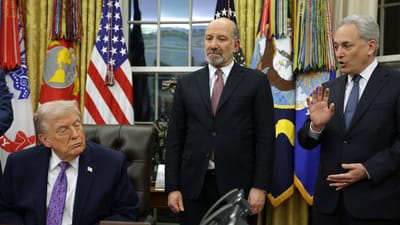
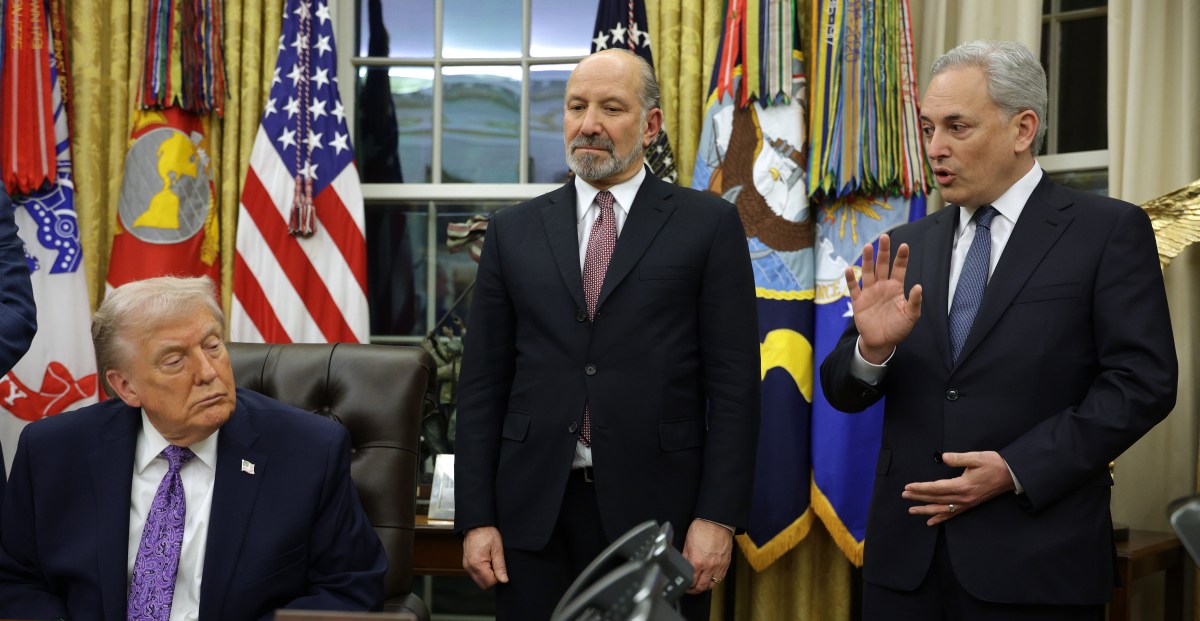
- President Trump signs an executive order to centralize AI regulation at the federal level.
- The order creates an AI Litigation Task Force to challenge state AI laws deemed inconsistent with federal goals.
- It directs the FTC, Commerce Department, and FCC to issue guidance that could preempt conflicting state regulations.
- Colorado’s consumer‑protection law on algorithmic discrimination is specifically targeted.
- Section 8 carves out exceptions for lawful state AI laws covering child safety, infrastructure, and government use.
- The move reflects industry concerns over a fragmented state‑level AI regulatory landscape.
- Congressional attempts to impose a moratorium on state AI laws have failed.
- David Sacks, the White House AI and crypto czar, gains significant influence under the order.
Executive Order Overview
President Trump officially signed an executive order designed to centralize artificial‑intelligence regulation at the federal level and to diminish the effect of state AI statutes. The order emphasizes a goal of sustaining U.S. global AI dominance through a minimally burdensome national policy framework. By directing multiple agencies to act, the administration seeks to discourage states from enacting AI laws that could be challenged or that might jeopardize federal funding streams.
Key Directives and Agency Roles
The order establishes an AI Litigation Task Force under the attorney general, tasked with suing states over AI laws considered inconsistent with federal objectives. It instructs the Federal Trade Commission to issue a policy statement describing circumstances in which state laws that require alterations to truthful AI outputs are preempted by the FTC Act’s prohibition on deceptive practices. The Commerce Secretary is ordered to produce a report on states with conflicting AI statutes and to assess whether those states could become ineligible for rural broadband funding under the BEAD program. Additionally, the FCC chairman is directed to work on proceedings to adopt a federal reporting and disclosure standard for AI models that would preempt conflicting state laws.
Targeted State Legislation
The order specifically calls out Colorado’s recently passed consumer‑protection law addressing algorithmic discrimination. It claims that banning algorithmic discrimination may force AI models to generate false results in order to avoid “differential treatment or impact” on protected groups. This criticism underscores the administration’s broader concern that state‑level restrictions could hinder AI development and accuracy.
Legal Carve‑outs and Exceptions
Section 8 of the order includes a carve‑out stating that the recommendations do not propose preempting “otherwise lawful State AI laws” covering areas such as child safety, AI compute and data‑infrastructure building, the use of AI by state governments, and other topics to be determined later. This language preserves the ability of states to regulate certain aspects of AI that are deemed lawful and essential.
Industry and Political Context
Over the past year, a patchwork of state AI laws has emerged, prompting industry groups to argue that the fragmented regulatory landscape makes it difficult to operate and innovate. Congressional attempts to impose a moratorium on state AI legislation have failed twice, leaving the executive branch to address the issue. The order places considerable influence in the hands of David Sacks, the White House AI and crypto czar, who serves as a direct conduit between the president and Silicon Valley leaders. Trump has framed the order as creating “only One Rulebook,” emphasizing the desire to eliminate the need for companies to navigate “50 states, many of them bad actors, involved in RULES and the APPROVAL PROCESS.”
Source: theverge.com